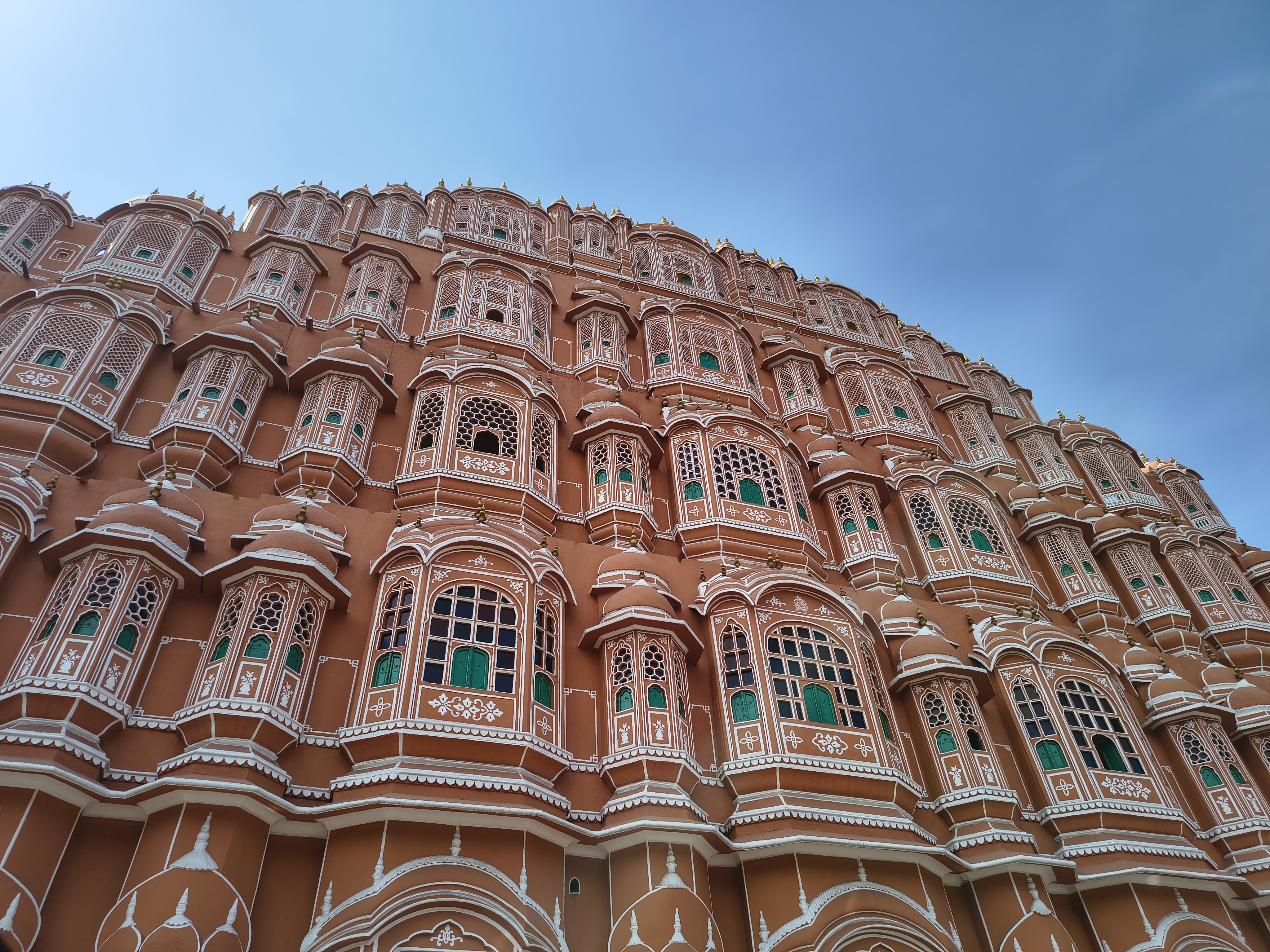
Hawa Mahal, built in 1799
Back in September 2024 I officially created a vision board for my Jaipur trip. Since childhood, whenever I heard Rajasthani folk tunes on television, watched puppet shows, or saw magnificent palace views and folk dances in travel advertisements, my heart would leap with excitement. I always knew that one day I would visit that place in my life. By God's grace, I was able to travel to Jaipur within a year of planning, and the execution happened quite suddenly.
I booked my tickets less than a month before the trip. For the first time in my life, I was traveling completely alone. As usual, before every trip, I read about the historical significance of the places I planned to visit, prepared my itinerary, carefully checked distances between locations on Google Maps, and even decided my outfits.
The day before my flight from Kolkata, the city broke under record-breaking rainfall. Almost all flights were either canceled or delayed. I was quite tense, but luckily, I still made it onto that flight.
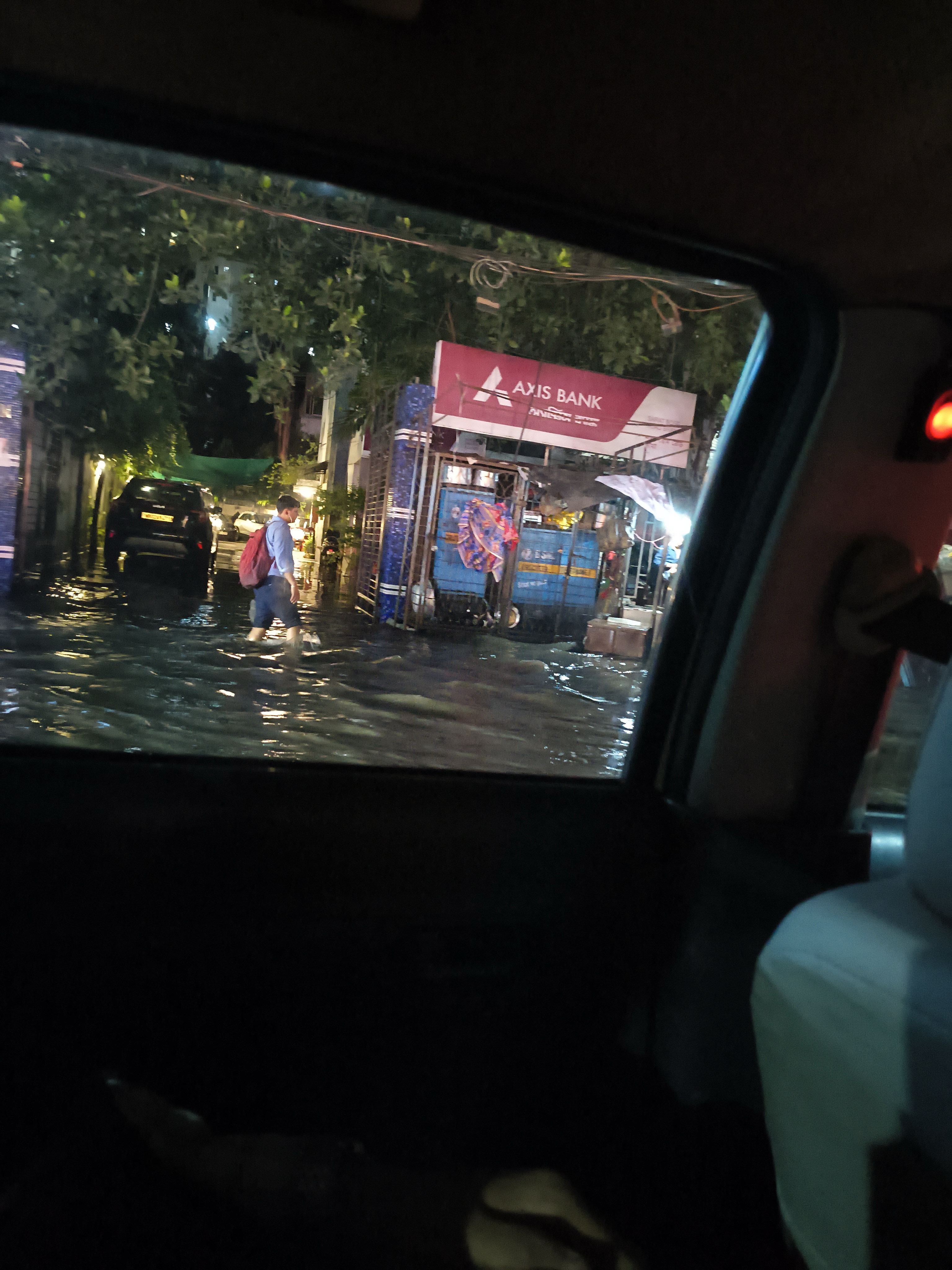
Record waterlogging witnessed in September 2025, Kolkata
From the plane, I saw the vast Aravalli Range stretch beneath the clouds. My heart kept saying just one thing — I wish I had planned to visit those hills. Little did I know that I actually had included those places in my plan; I just hadn't understood my own plan yet.
This was also my first time staying in a hostel, so I was both excited and a bit nervous, especially since I'm somewhat of an introvert. My hostel turned out to be a lovely place, with good amenities, a great location, and a safe environment for solo female travelers. It also had some pretty Instagram-worthy views. The moment I stepped onto the rooftop, I realized that I could literally see the hills from there.
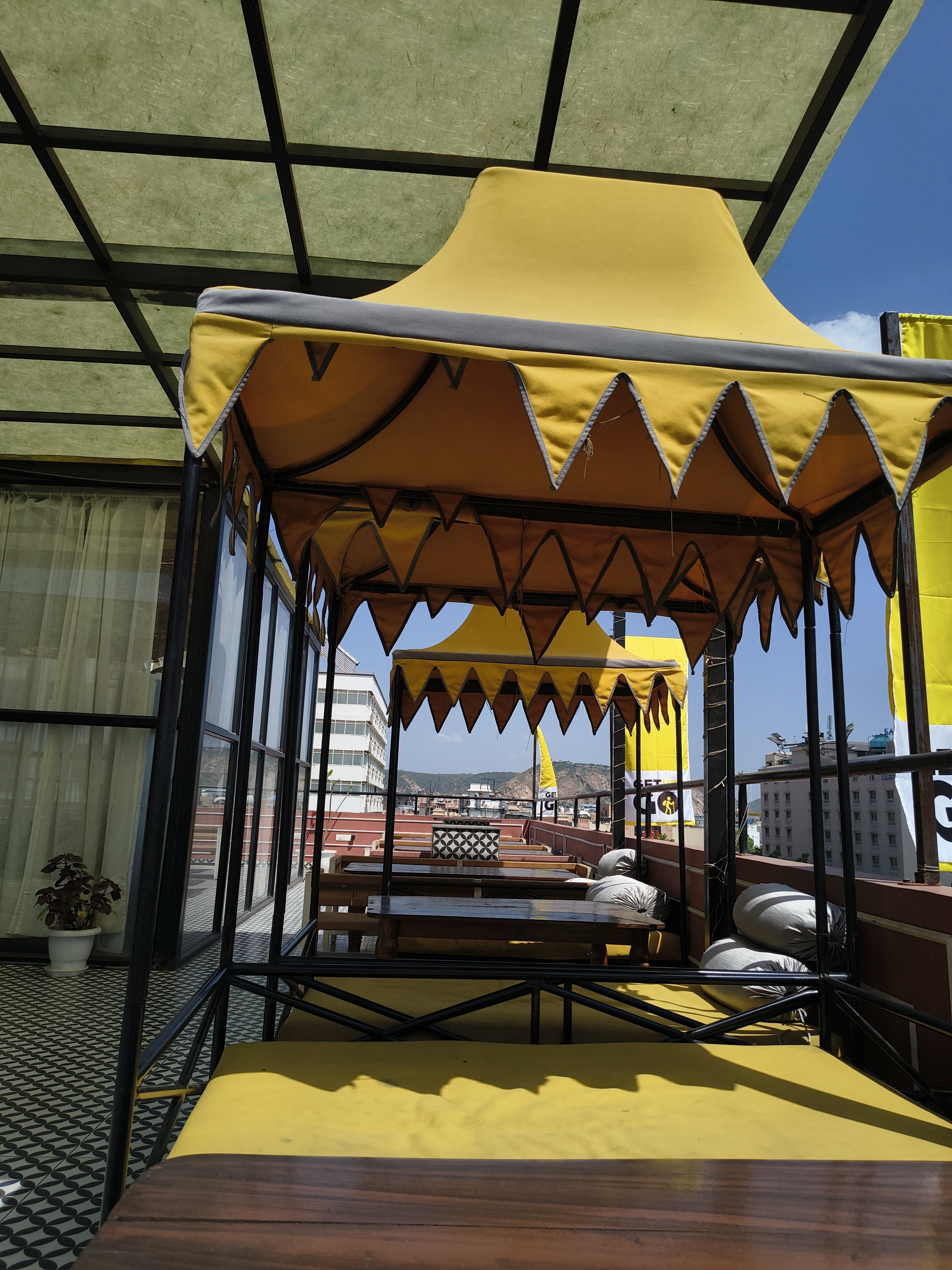
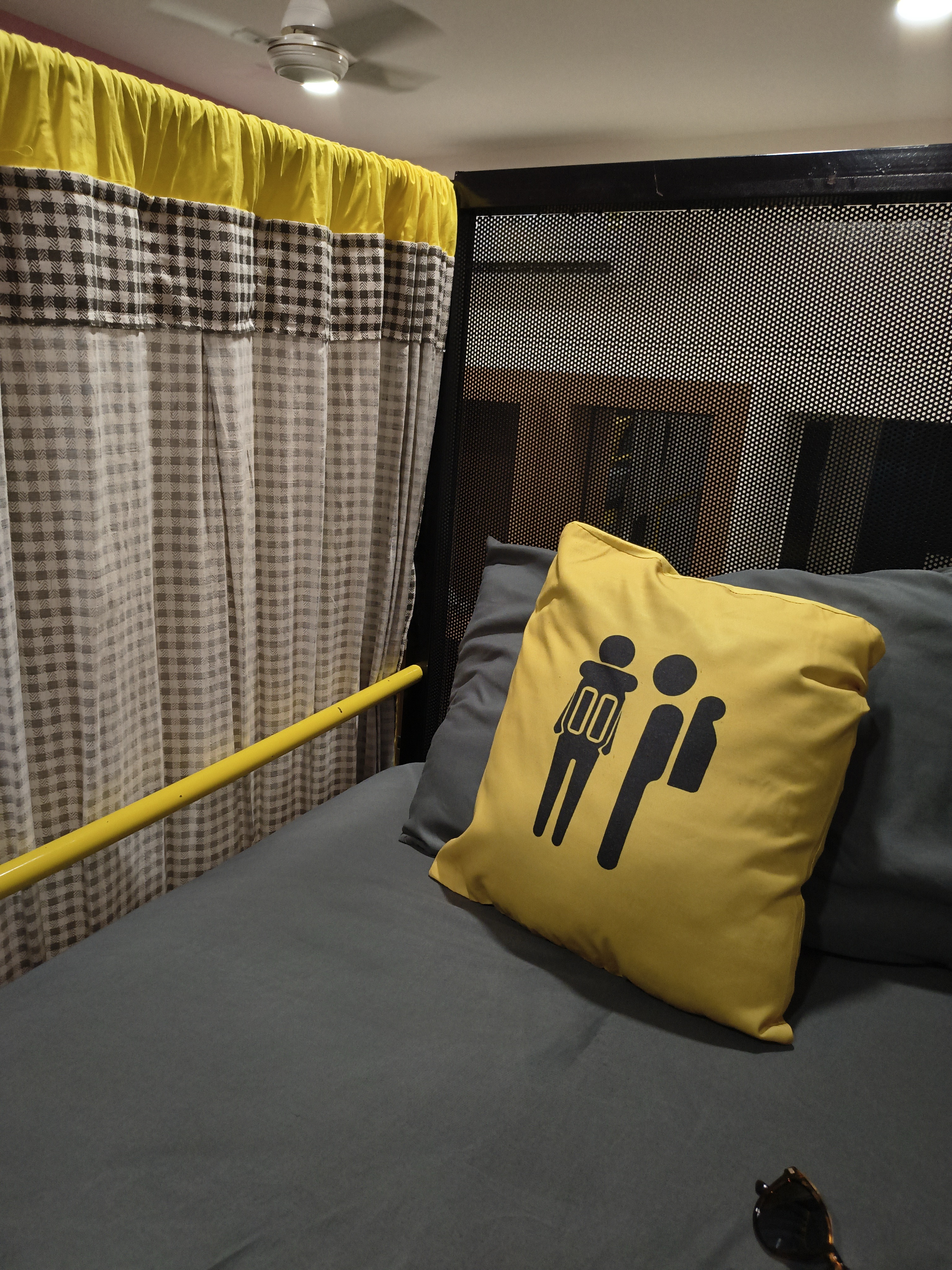
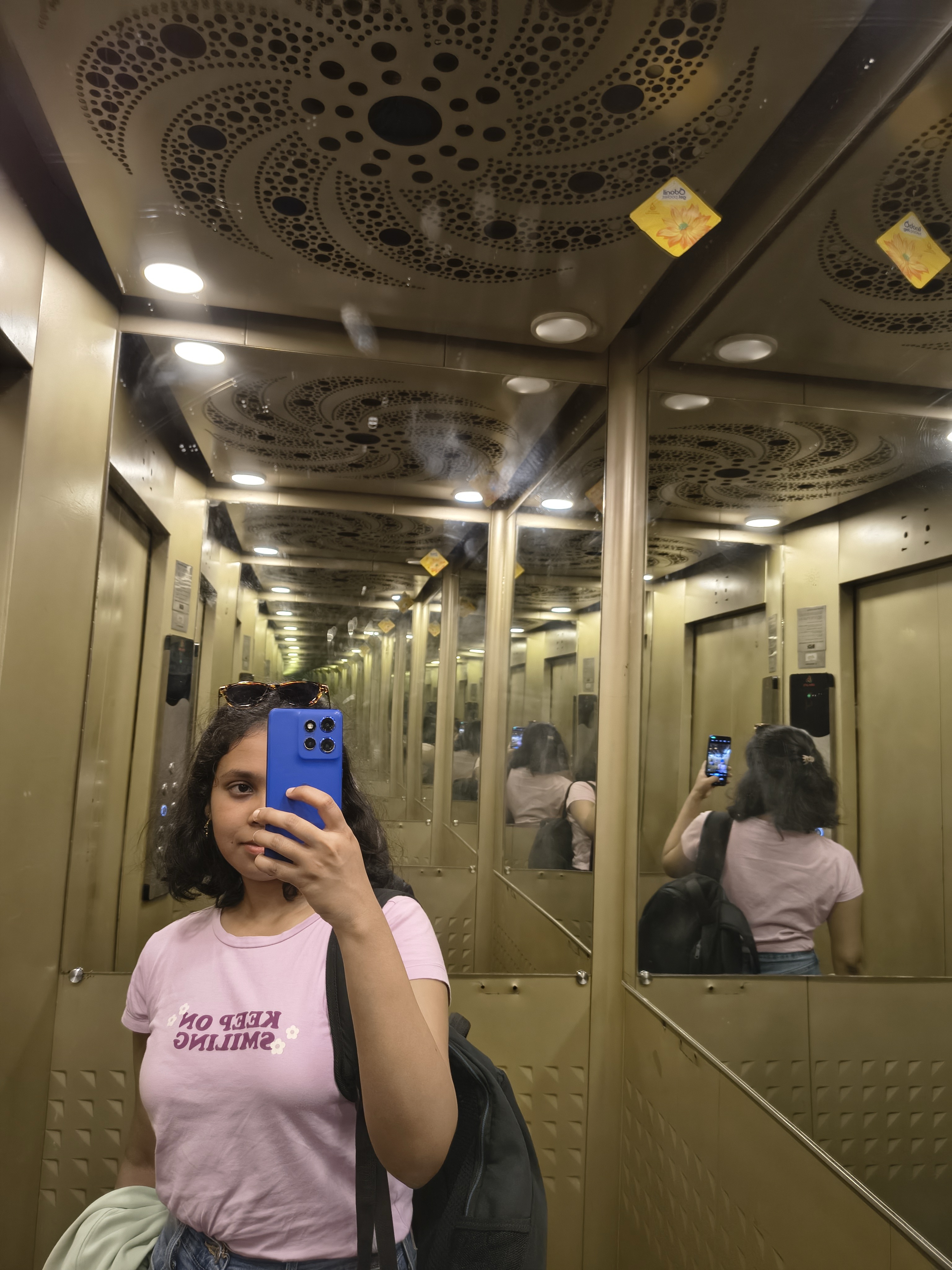
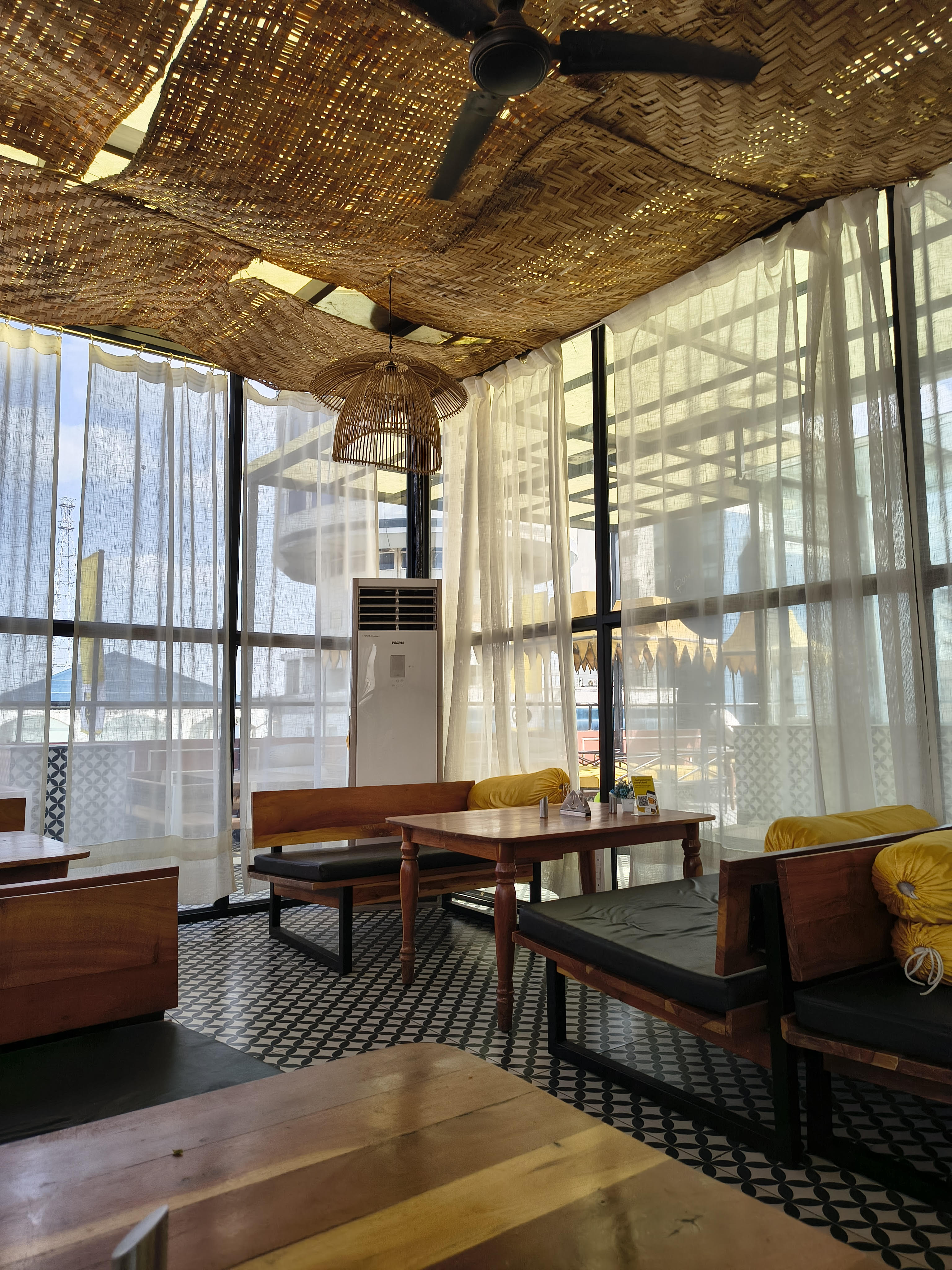
The Hosteller, Jaipur · Hostel check-in done
Day 1 — The Beginning
On the first day, I wanted to keep things light, so in the late afternoon I visited the Nahargarh Fort. I booked an Uber Moto to get there, and the moment I reached nearby, I realized just how massive those hills were. It didn't feel possible or safe for me to climb all the way up alone, so I requested my driver bhaiya to drop me at the gate. He was kind enough to agree and did it for a very nominal extra fare.
At that very moment, it truly hit me that this was the Aravalli Range, and I would be exploring these hills over the next few days. Nahargarh is a beautiful fort perched right on top of the hills. It is also known for its slightly "haunted" reputation. The crowd there is much less compared to other popular spots, so if you're someone who doesn't enjoy crowds, you'll definitely appreciate visiting this place.
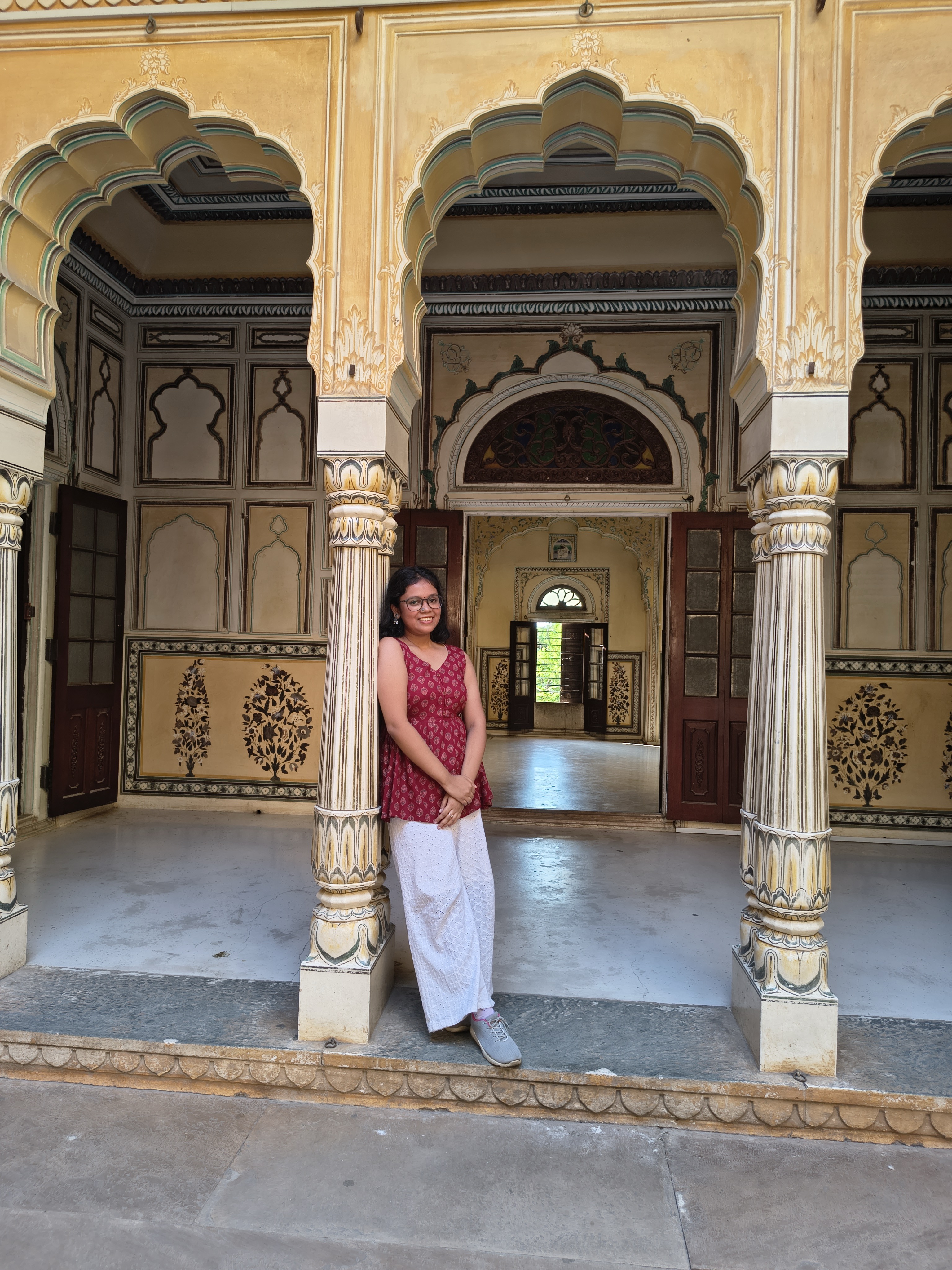
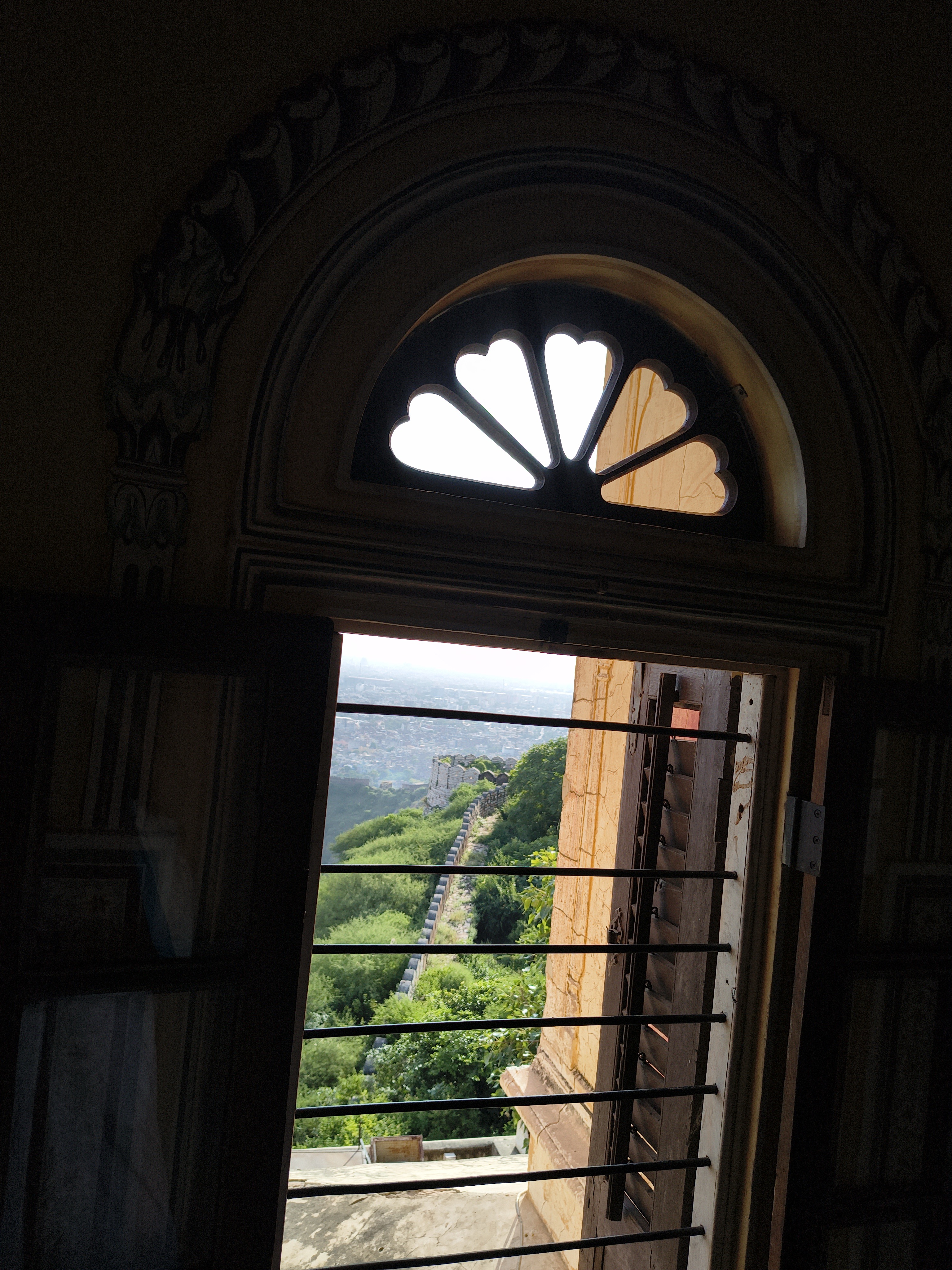
Inside the Pavilions of Nahargarh · View from the top of Nahargarh
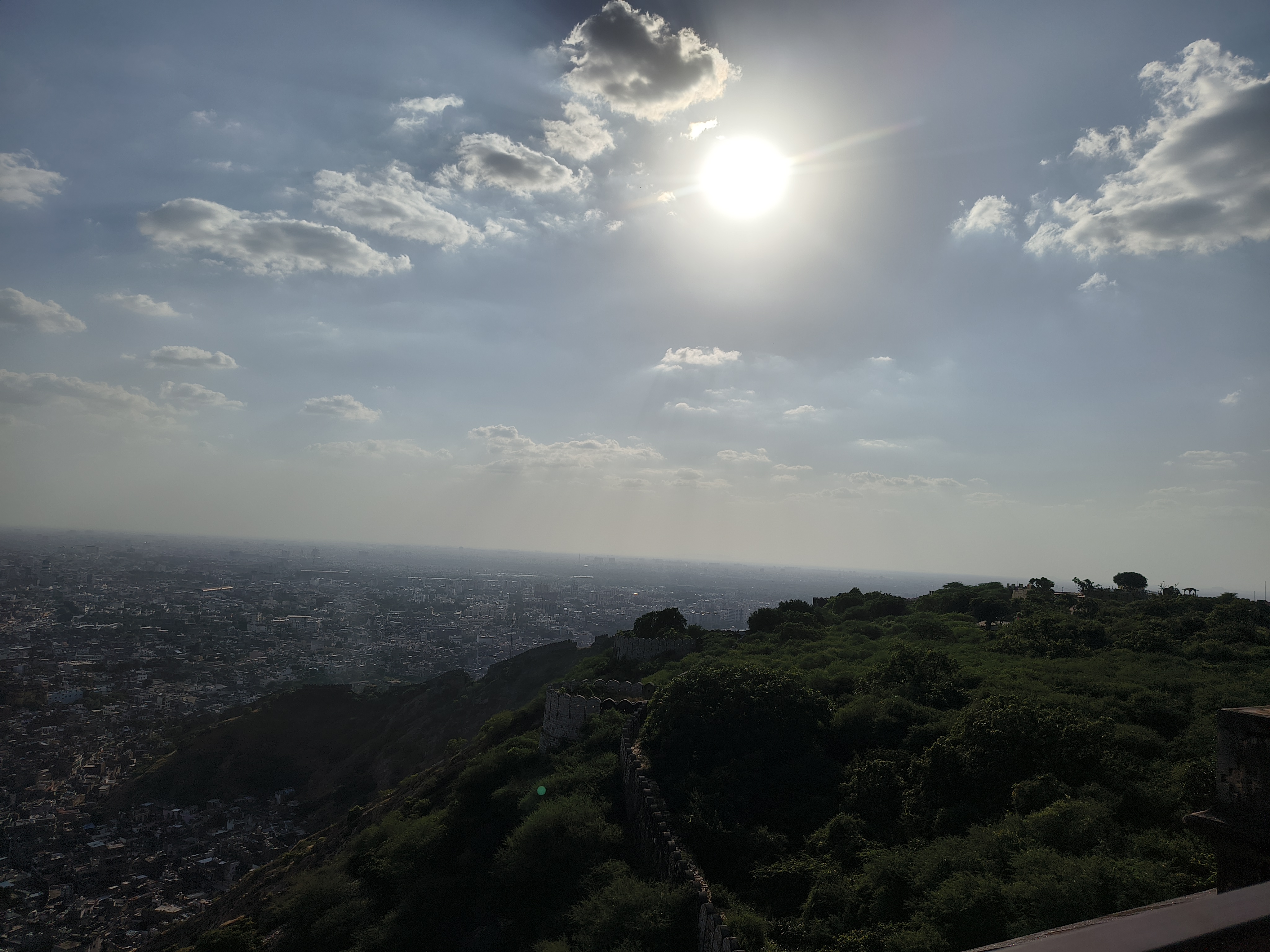
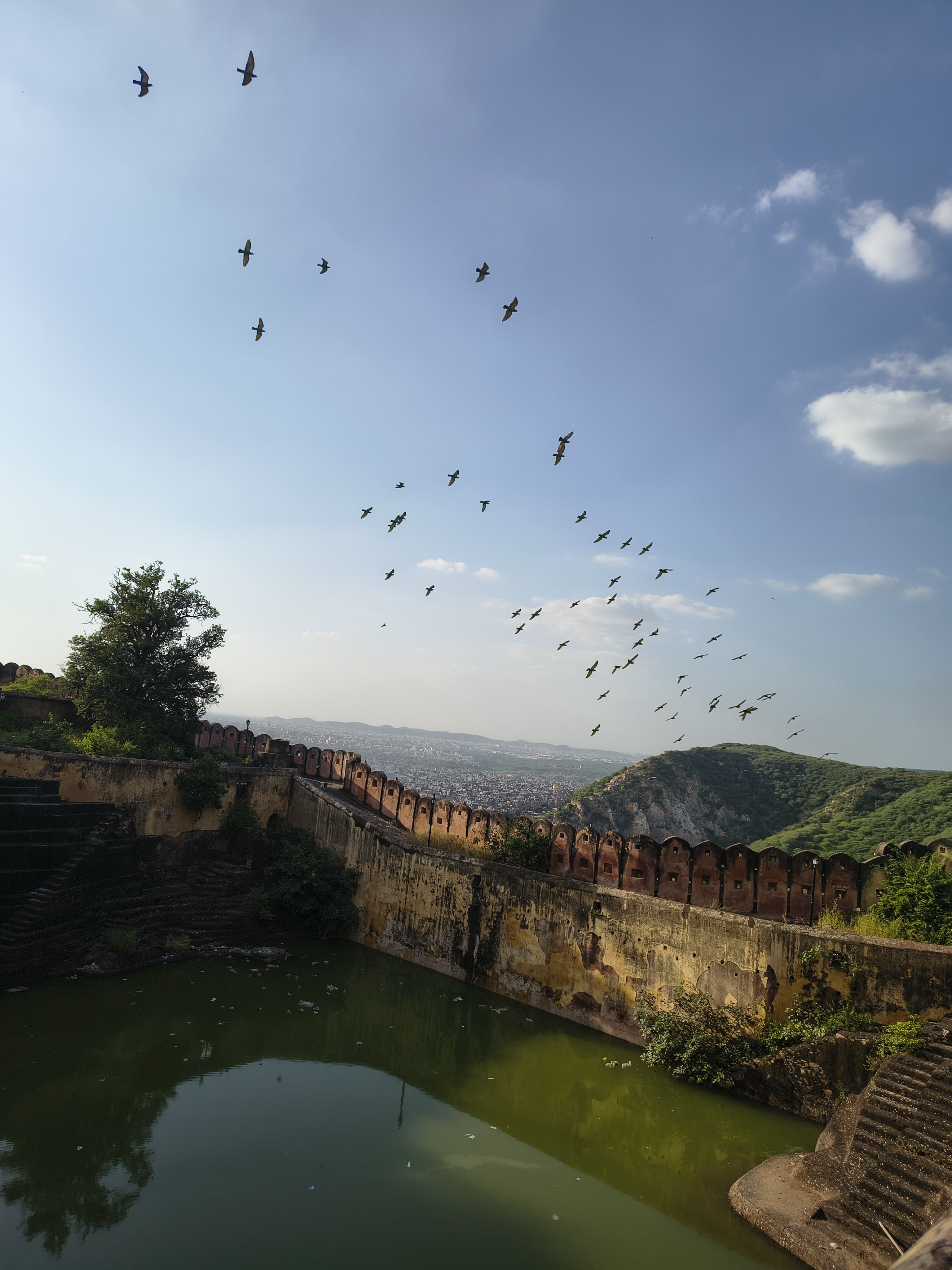
Nahargarh Fort, built in 1734 · Bauli (Stepwell) inside the fort
Solo travel teaches you logistics before it teaches you romance. Jaipur taught me I should have learned how to ride a scooty.
From Nahargarh Fort, I took an auto to Jal Mahal. Although it is unreachable but unforgettable at the same time. I enjoyed a beautiful sunset sitting by the Man Sagar Lake and spent the rest of the evening there.
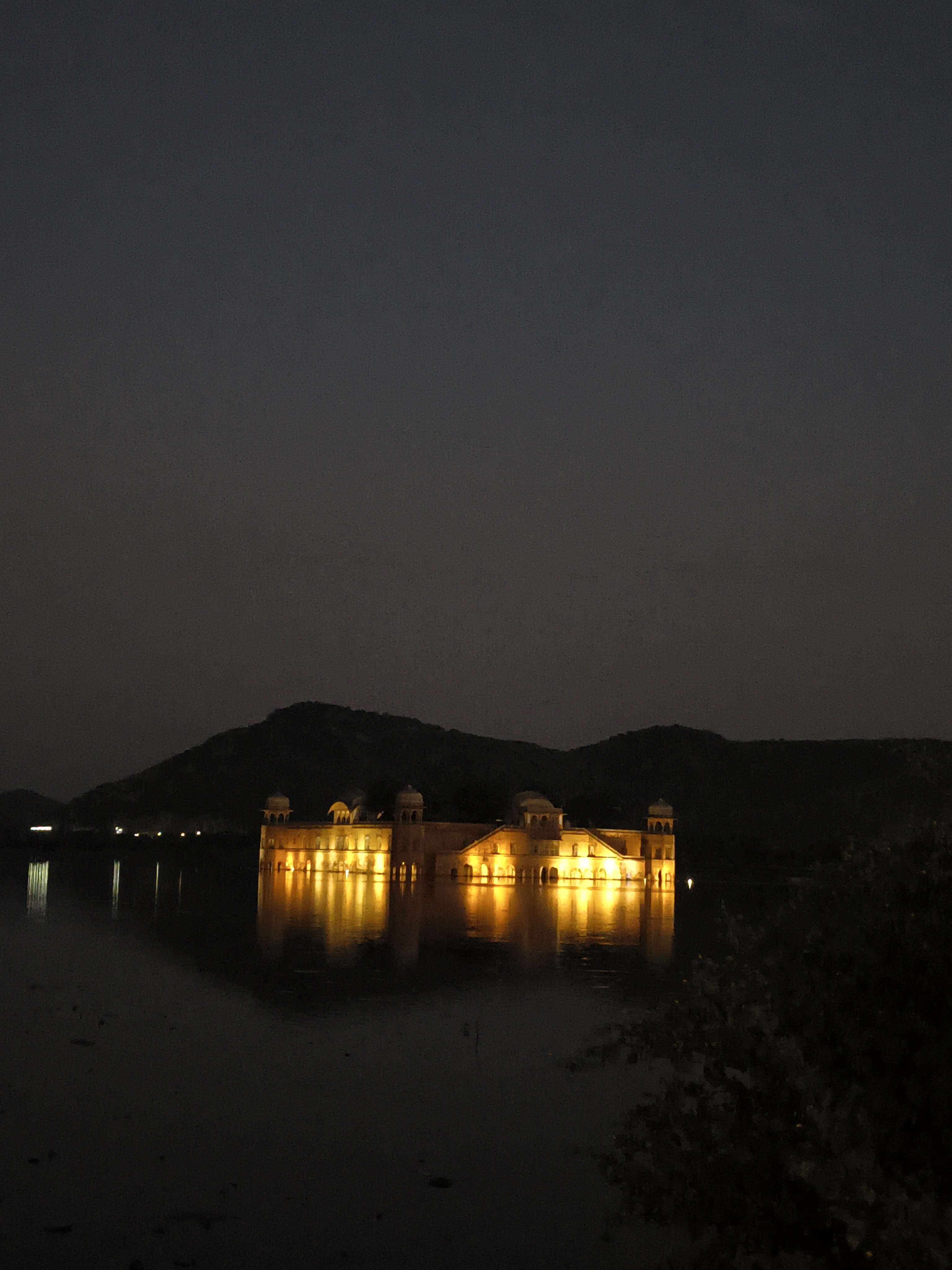
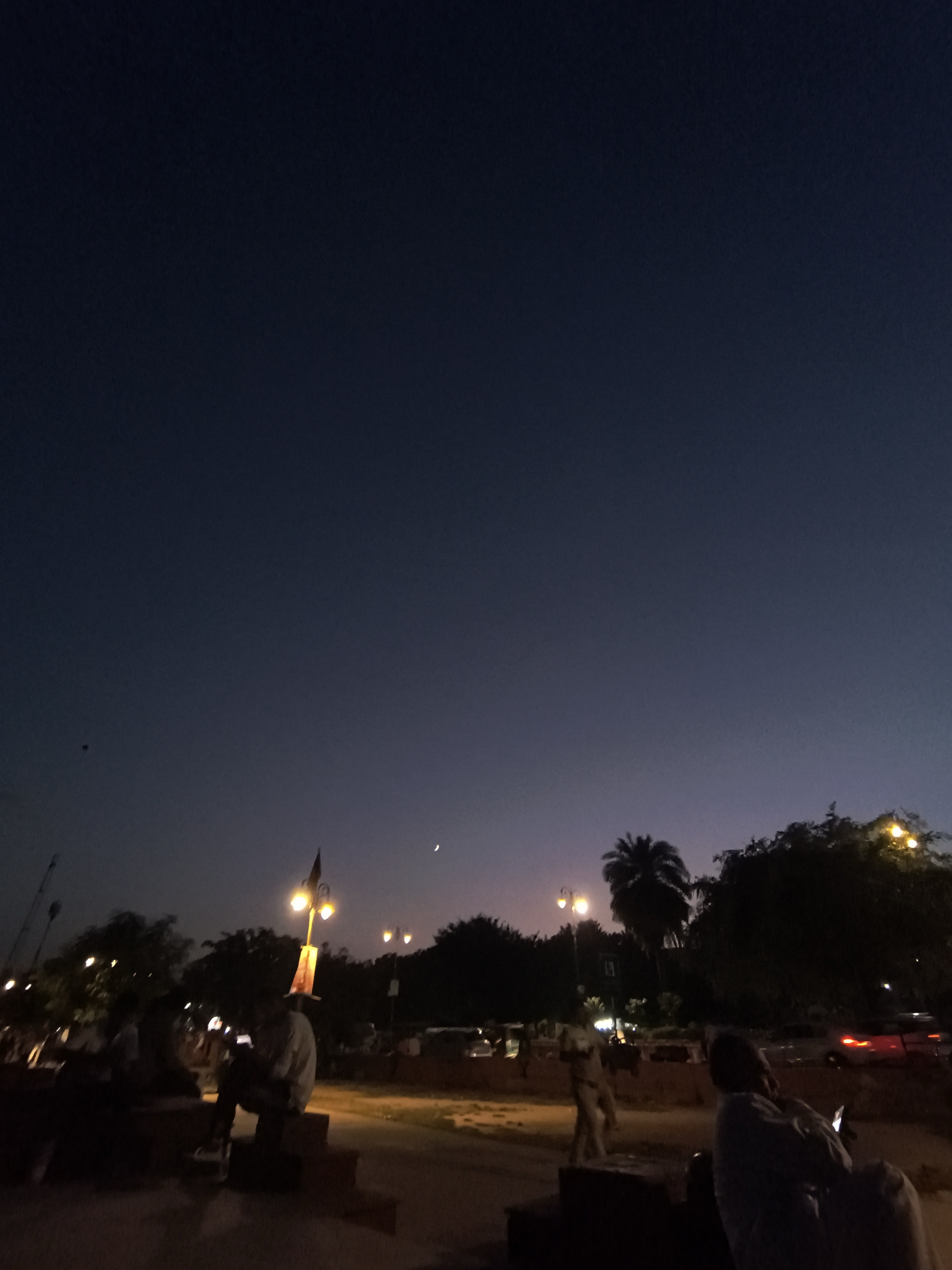
Jal Mahal (Water Palace), built in 1699 — used as a royal hunting lodge · Evening by Man Sagar Lake
Day 2 — Forest, Wind and Trek
Day 2 was a full-on leg day for me. I woke up early, got dressed, had a heavy meal, and headed out for the day. First, I booked an Uber Moto and visited Amer Fort, a UNESCO World Heritage Site. As expected, it was quite touristy, but from the stunning Sheesh Mahal to the breathtaking views of Maota Lake from the palace, everything felt like my own Sonar Kella moment.
On the way, don't forget to stop by the famous stepwell, Panna Meena ka Kund, for some beautiful pictures.
From Amer, I headed towards Jaigarh Fort, situated on Cheel ka Teela (the Hill of Eagles). For convenience, I booked my moto for the entire day. I somehow trusted my driver, but a gentle reminder — don't be like me. For your safety, always book through proper agencies.
Jaigarh Fort is still maintained by the royal family, and I was amazed to see one of the largest cannons in the world, the Jaivana Cannon. There's also a massive water reservoir beneath the fort that could store up to two years' worth of water for Rajput soldiers according to the locals. Even today, people talk about a hidden treasure buried somewhere within the fort.
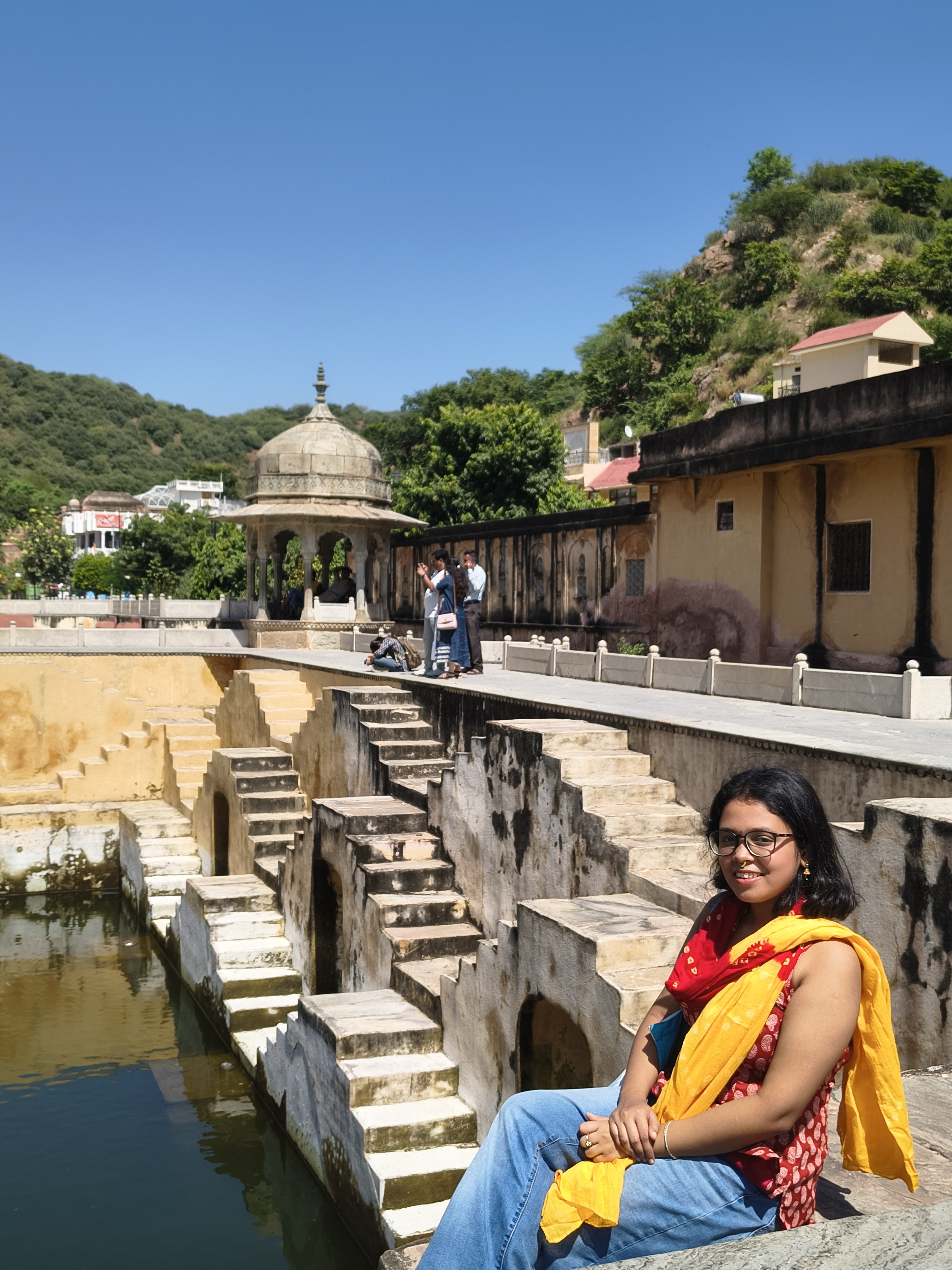
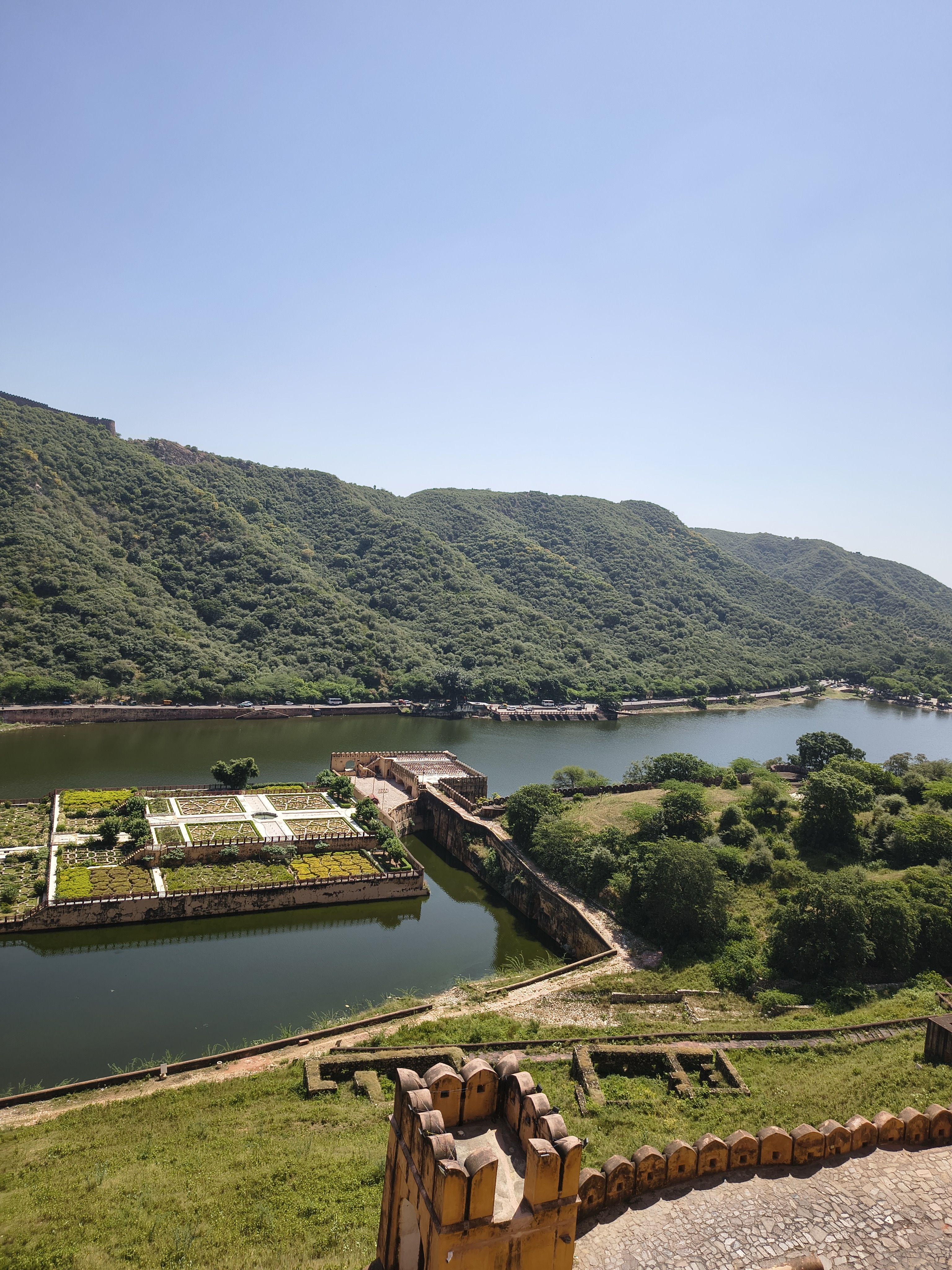
Panna Meena ka Kund · Lake Maota from Amer Fort, built in 1592
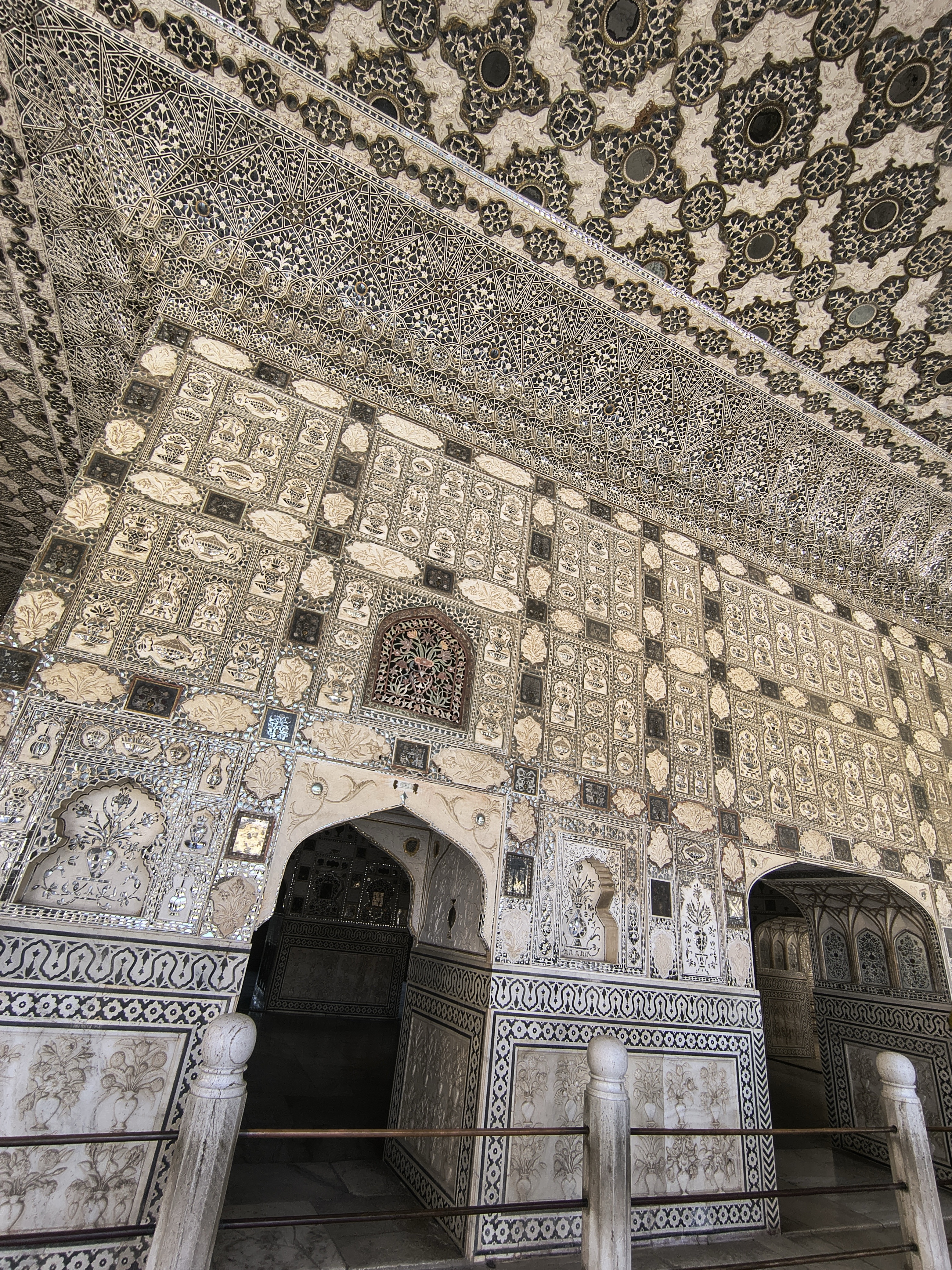
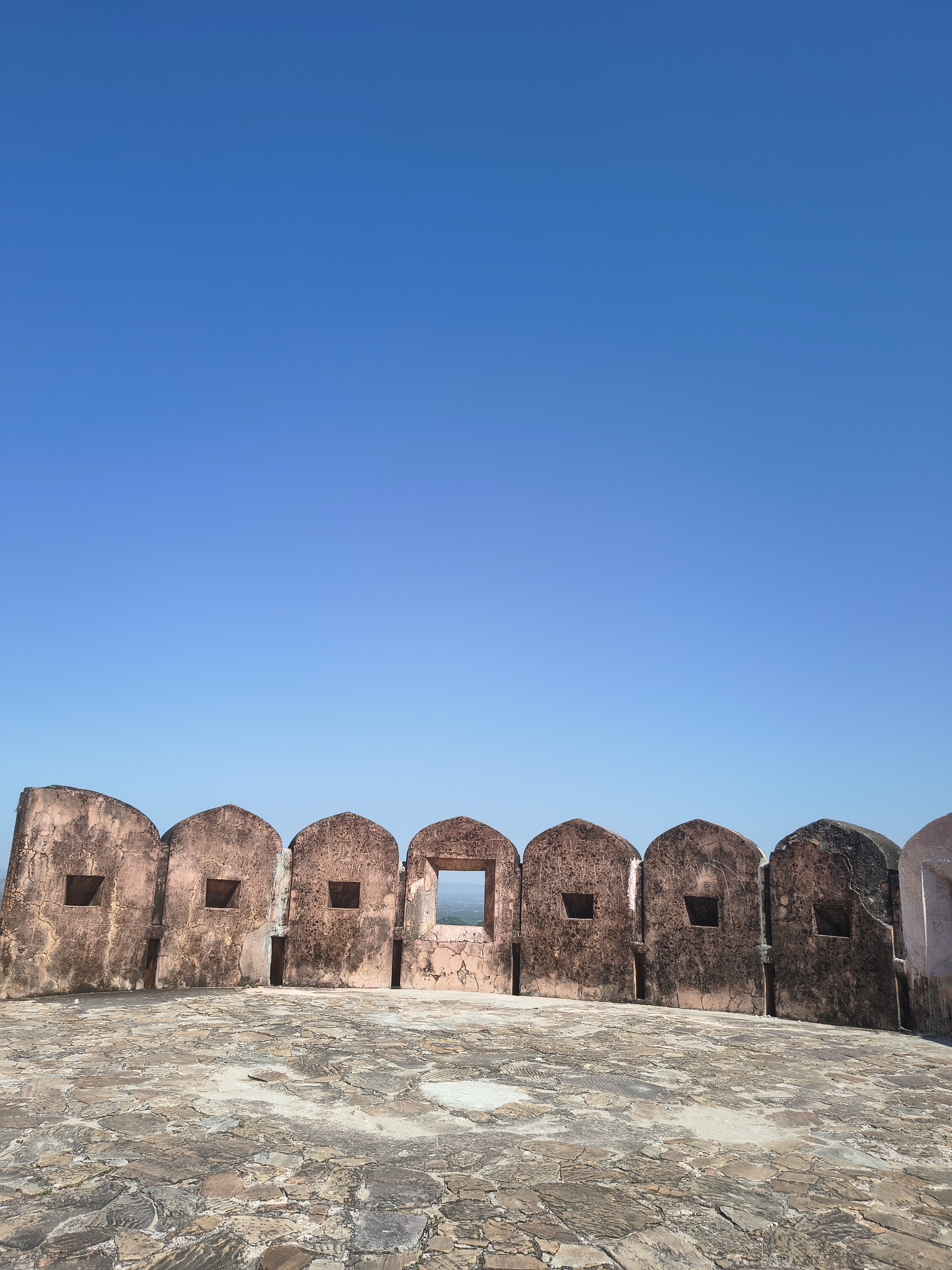
Iconic Sheesh Mahal · Jaigarh Fort, built in 1726
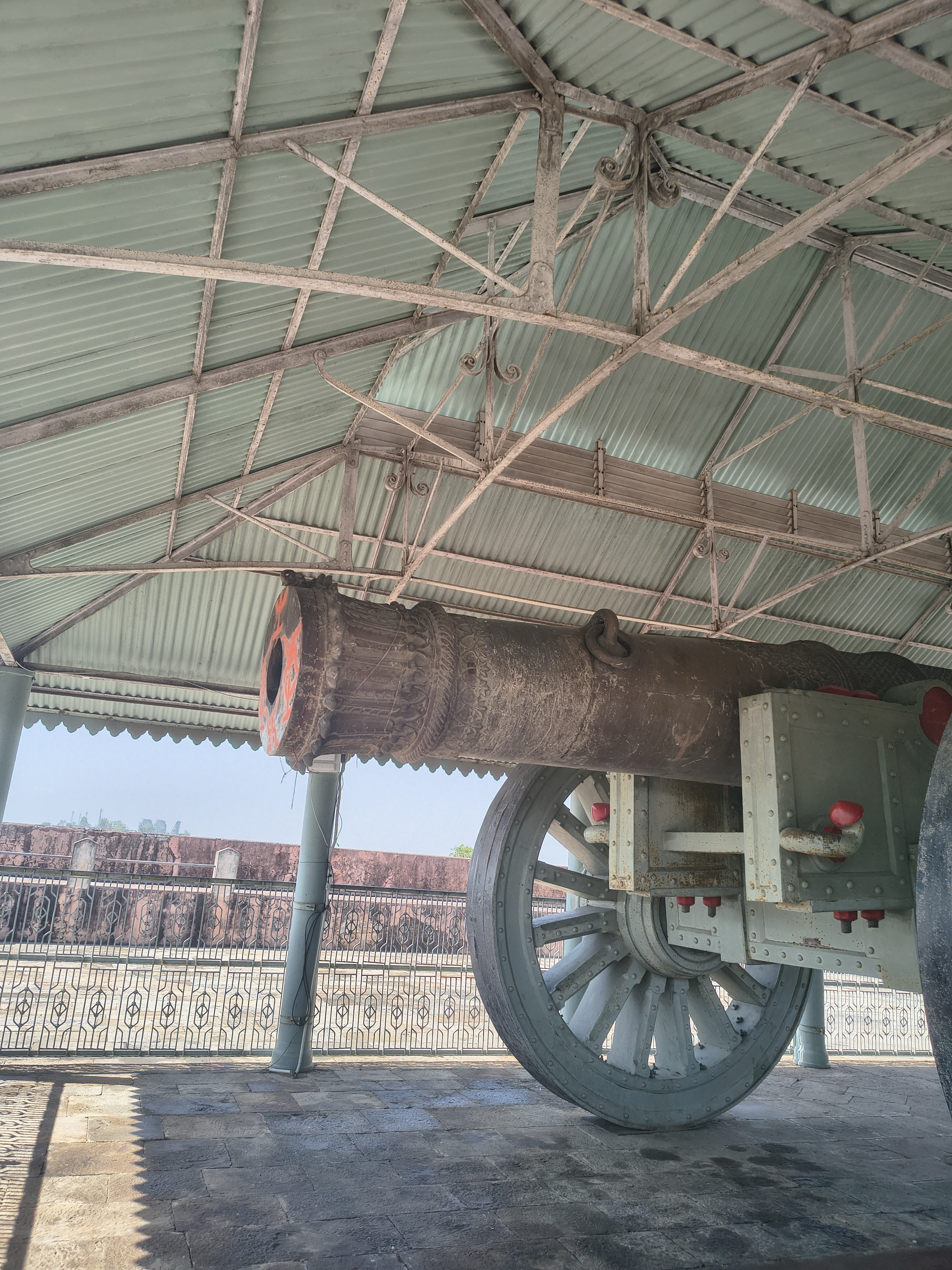
Jaivana Cannon, Jaigarh Fort
My next stop was Gaitor Ki Chhatriyan, a beautiful complex of chhatris made out of white marble. It's an absolutely Instagram-worthy place, and it felt like it was nestled in a valley. At times, you can even hear peacocks chirping around you, which adds to the charm.
After spending some time there, I headed for a trek to the Garh Ganesh Temple, knowing it would take a while. I let my driver go, and when I asked him about the trek, he said he had never been to the temple. So, I immediately invited him to join me. It was my first trek — one hour and ten minutes of climbing, resting at my own breathlessness, and feeling strangely alive. The Garh Ganesh Ji Mandir is quite popular among locals, and the deity there is in his child form, without a trunk. After such a hectic day, I returned to my hostel and took plenty of rest.
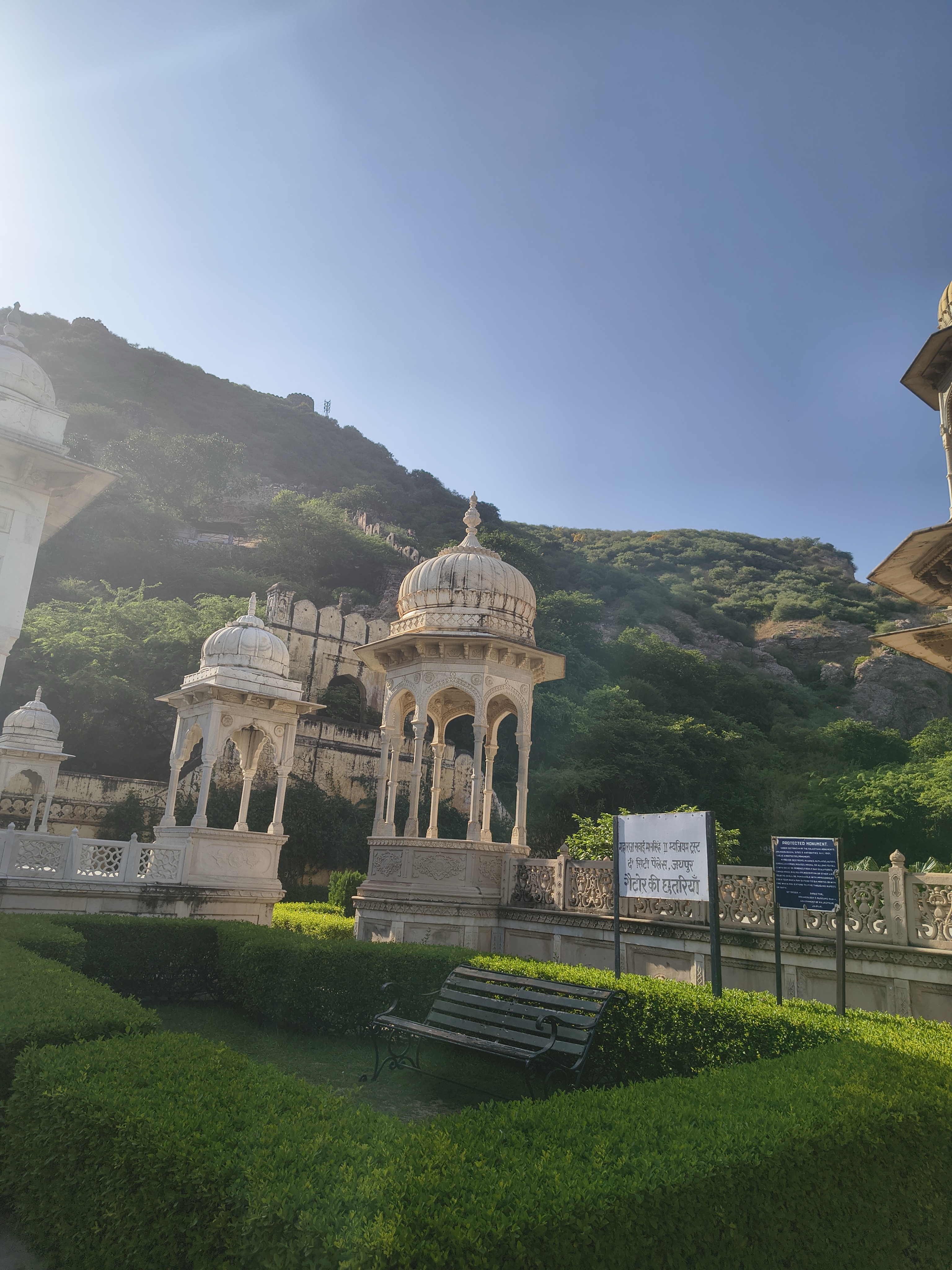
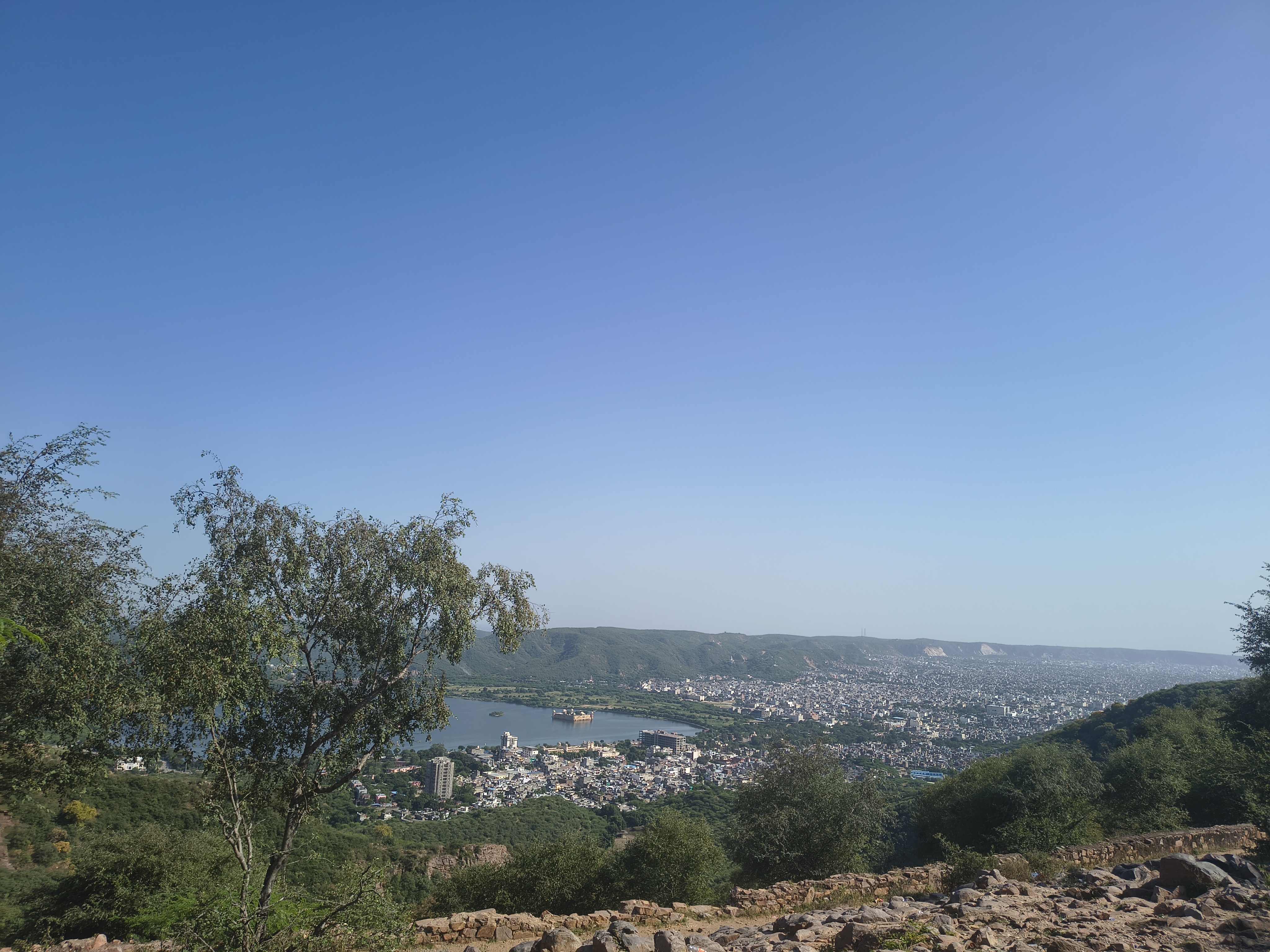
Gaitor Ki Chhatriyan, built in 1733 · View from the top of hills
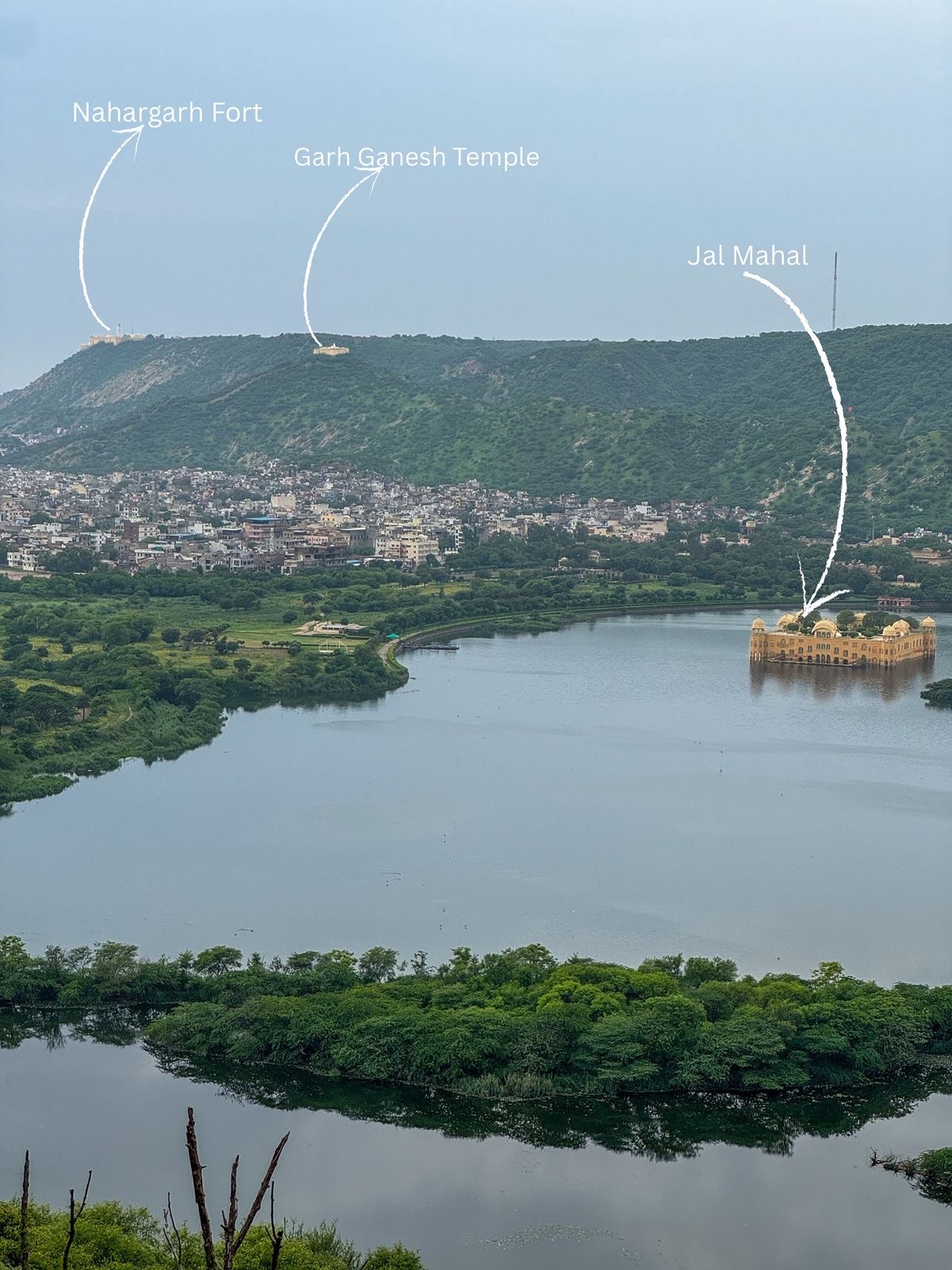
Photo credit: @gallery.jpr
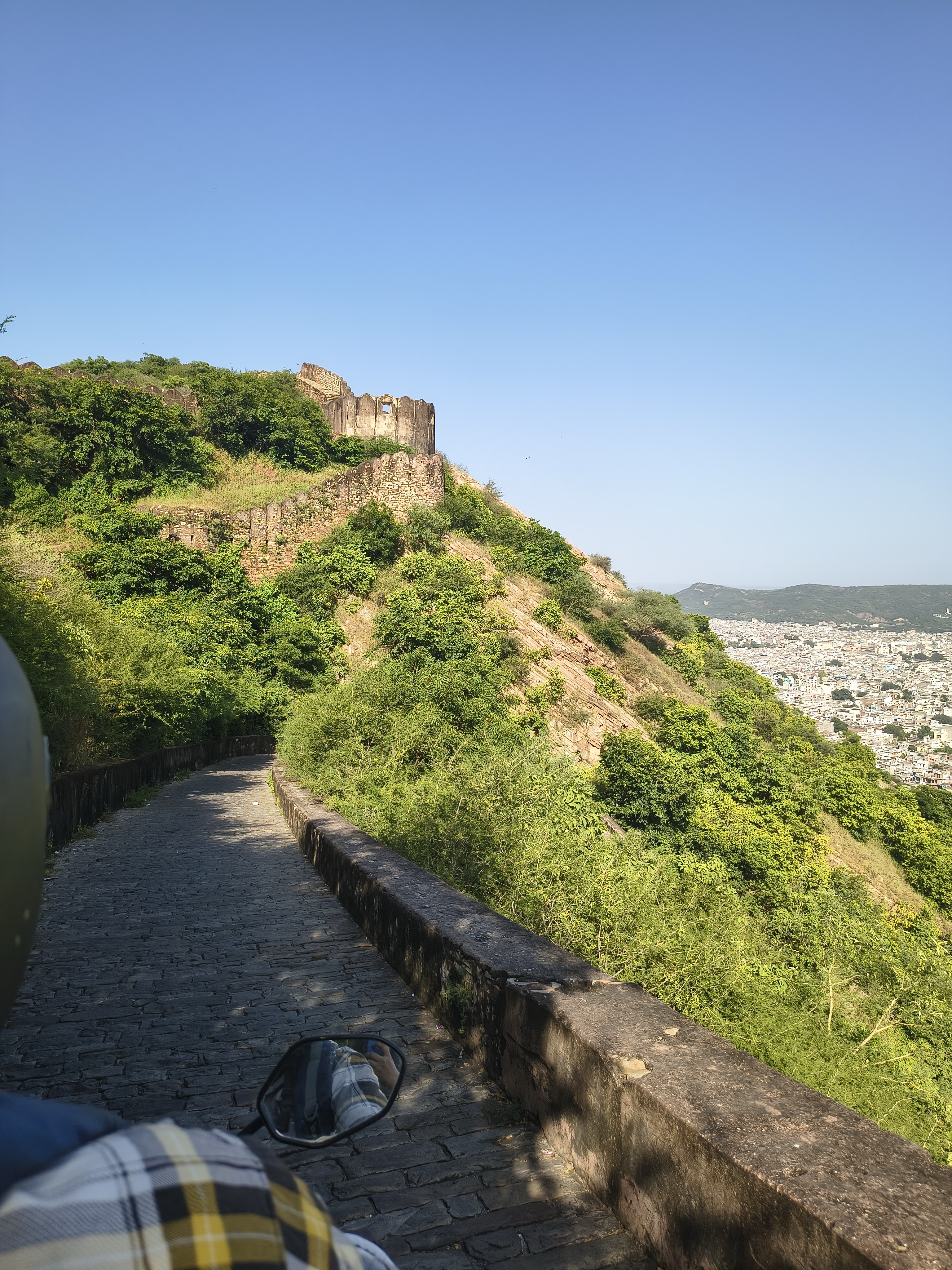
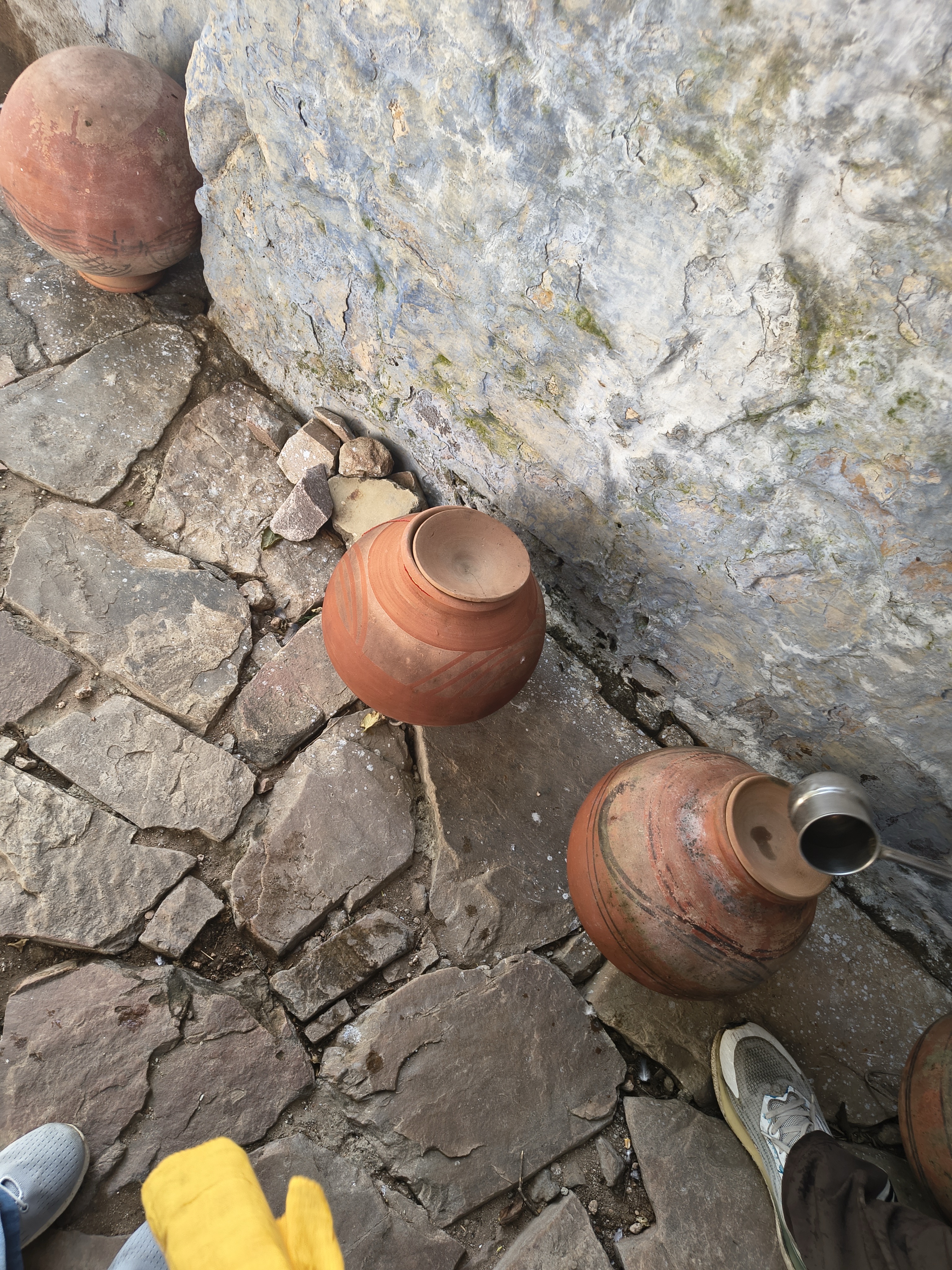
On the way to Gaitor · Along the trek, earthen pots of water offer a refreshing pause
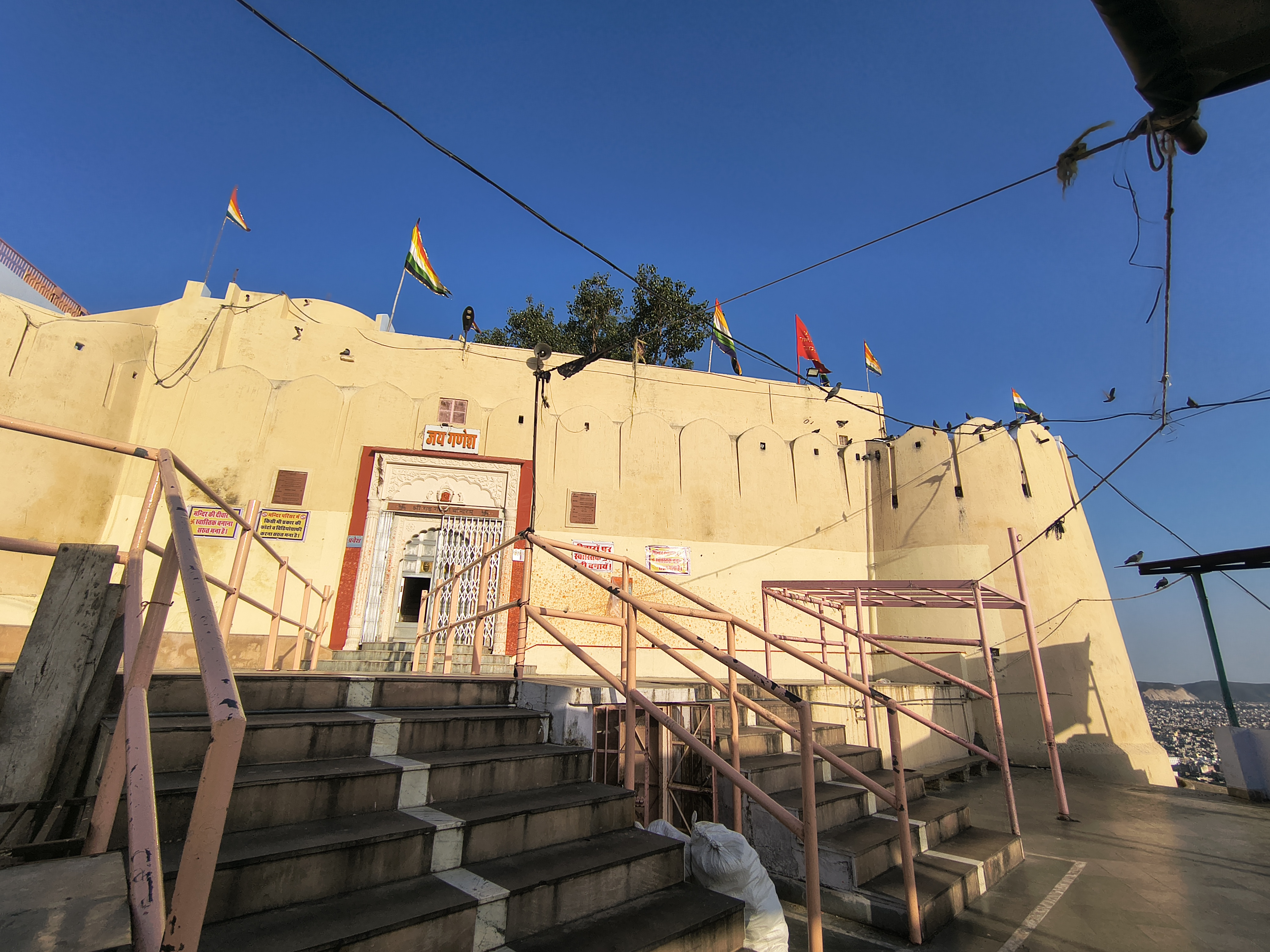
Shree Garh Ganesh Ji Temple, built in the 18th century
Day 3 — The Pink City
I still remember, it was World Tourism Day, so most places were free to visit that day. Since I had decided to explore the city, I relied entirely on the Jaipur Metro for getting around. So, it's a good idea to choose accommodation close to metro stations.
My first stop was the iconic Hawa Mahal, built with pink sandstone. Whenever anyone mentions Jaipur, this is probably the first image that comes to everyone's mind. It was quite crowded, and I even got to see puppet shows being performed by local artists here and there inside the palace. The beautiful jharokhas are the perfect spots to soak in the hustle and bustle of the city — they were originally built for the royal women to observe everyday life outside while maintaining their privacy.
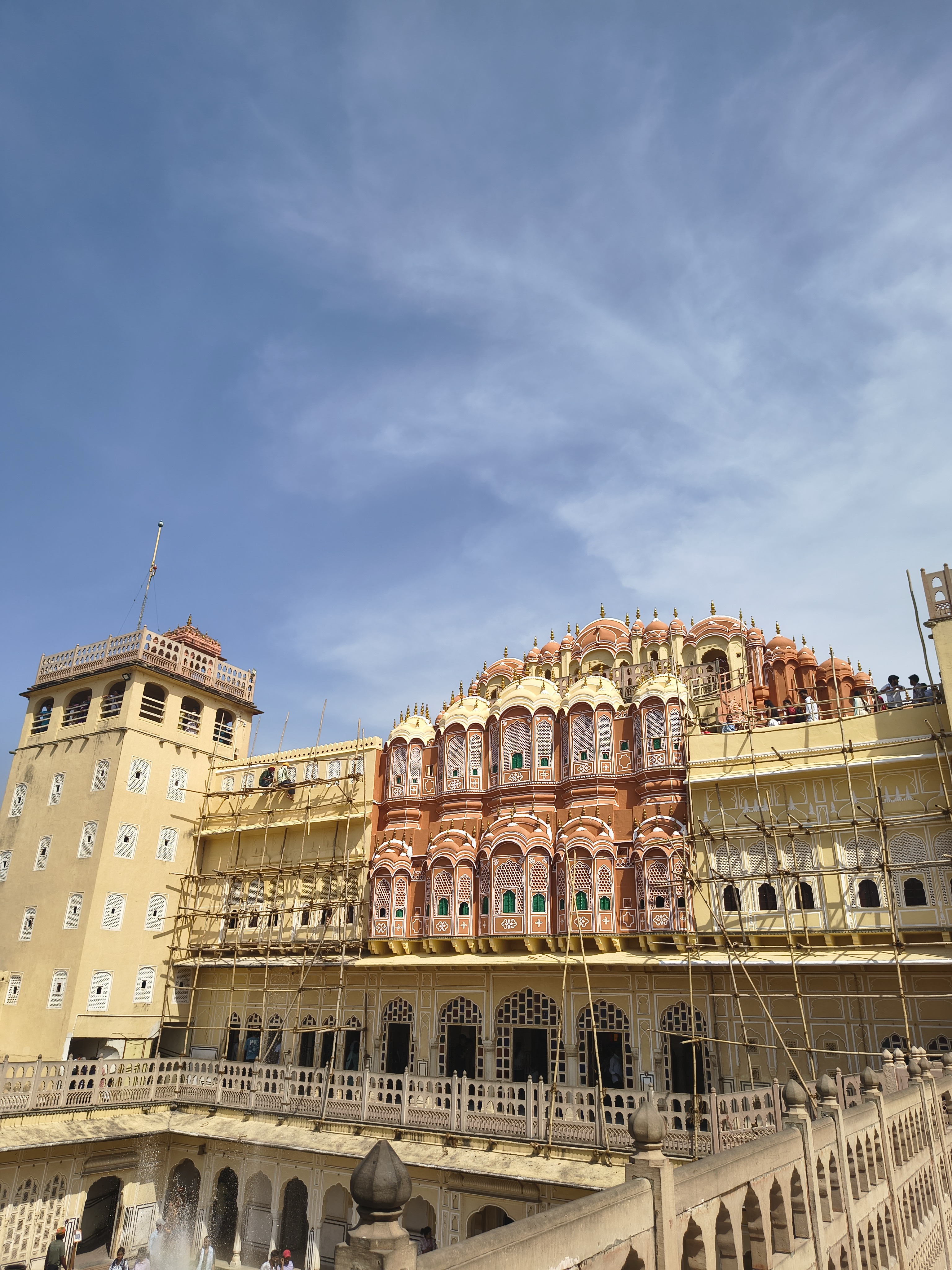
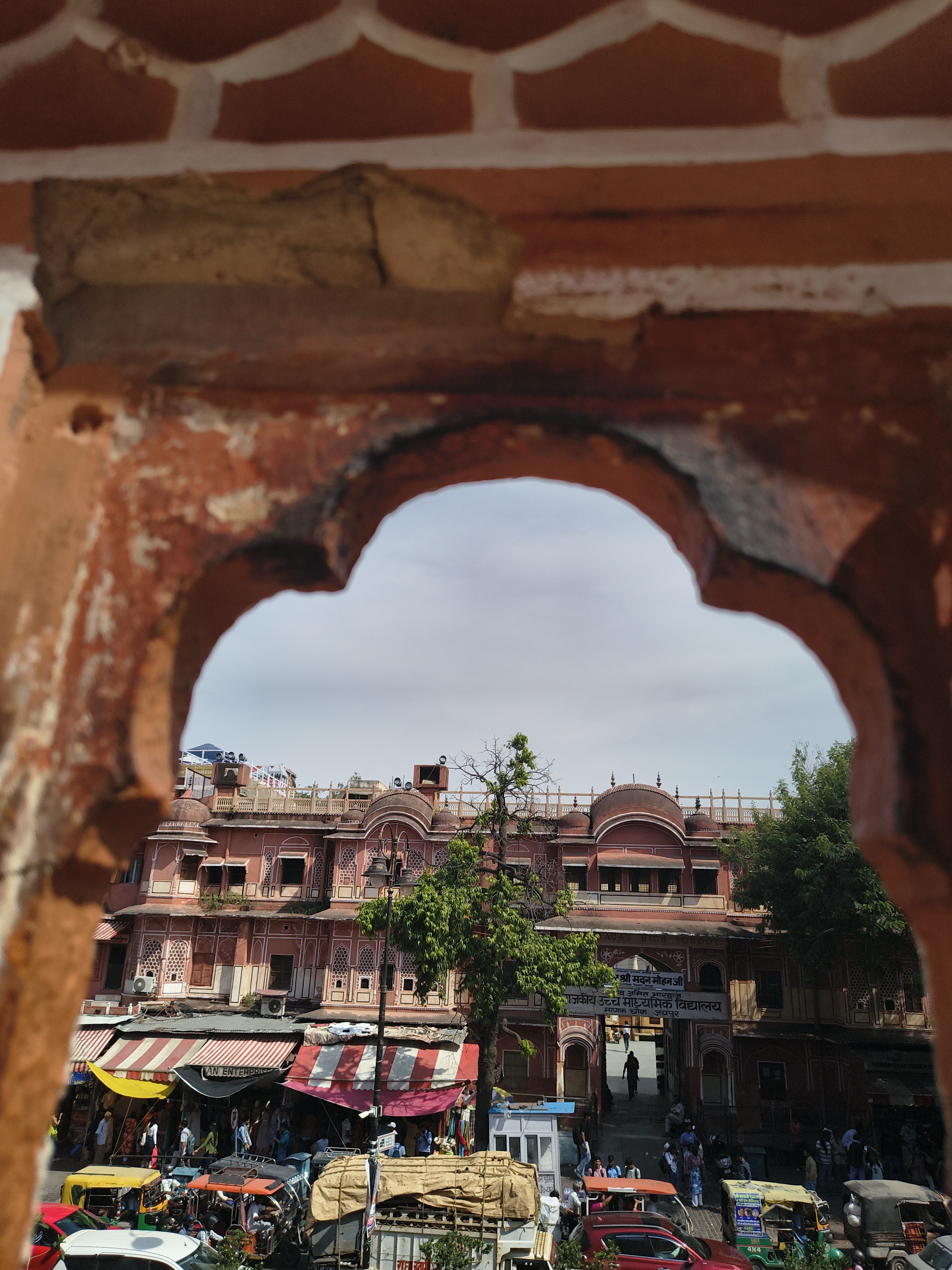
Hawa Mahal (Palace of Wind) · View from the Jharokhas
Then I headed to the City Palace Jaipur, where the Jaipur royal family still resides. Here, you can explore the museum and learn about the rich history of the region. I also visited the beautiful Diwan-i-Aam and Diwan-i-Khas, both made with the iconic pink sandstone. Then came the most stunning part — the famous four gates, each representing a season: summer, autumn, winter, and spring. The moment I saw them, I was absolutely mesmerized by the intricate architecture and the vibrant color combinations.
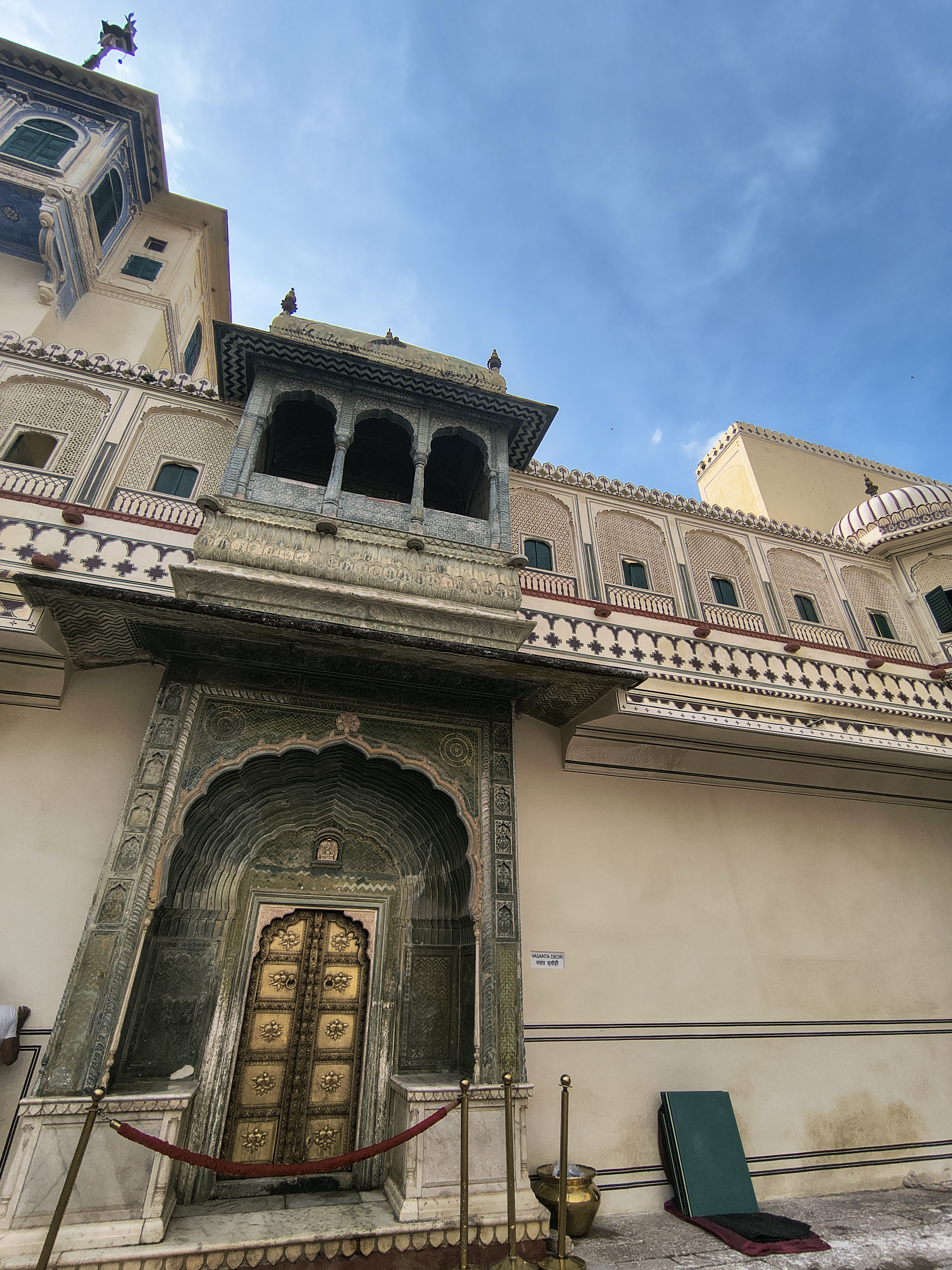
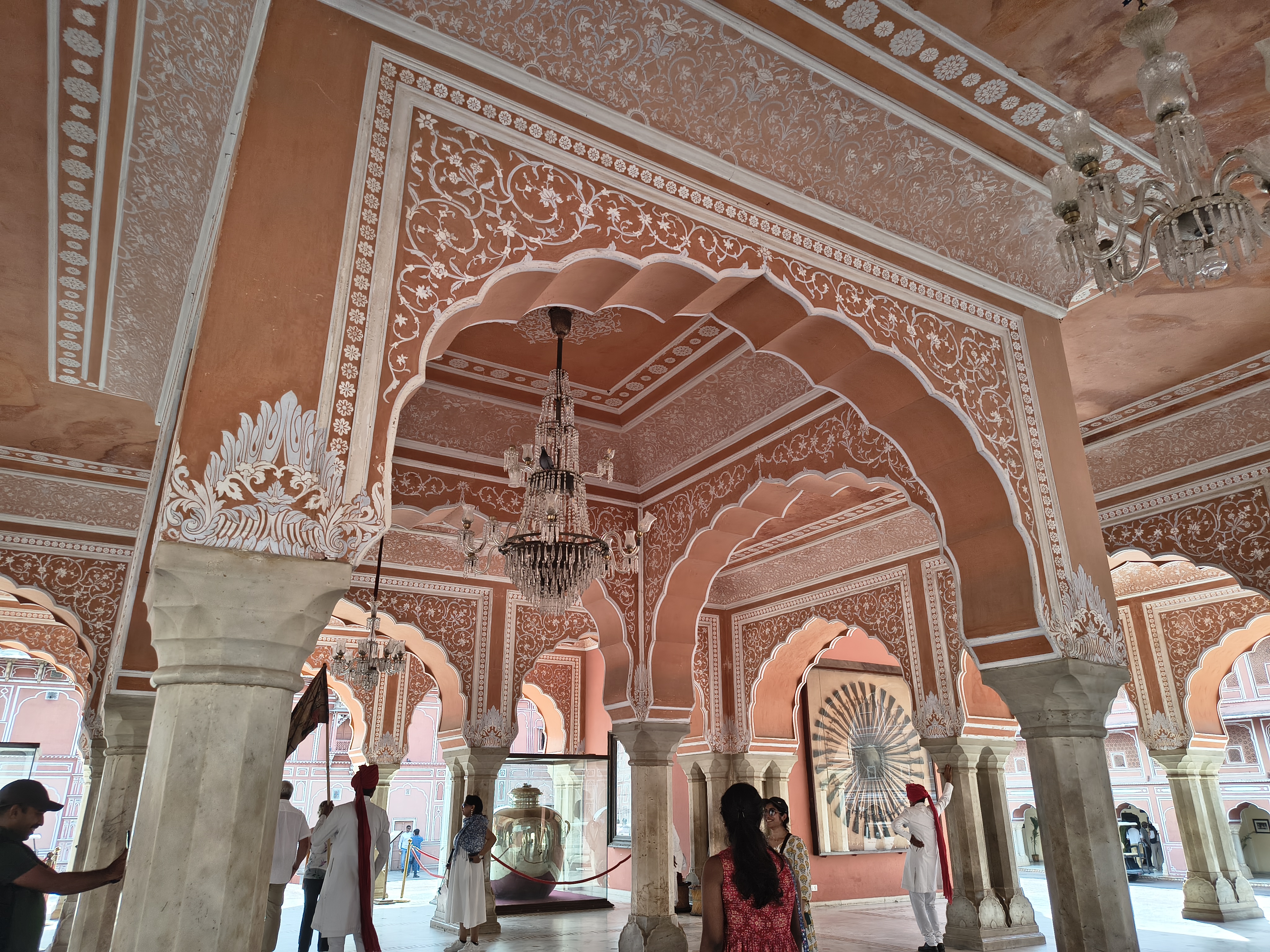
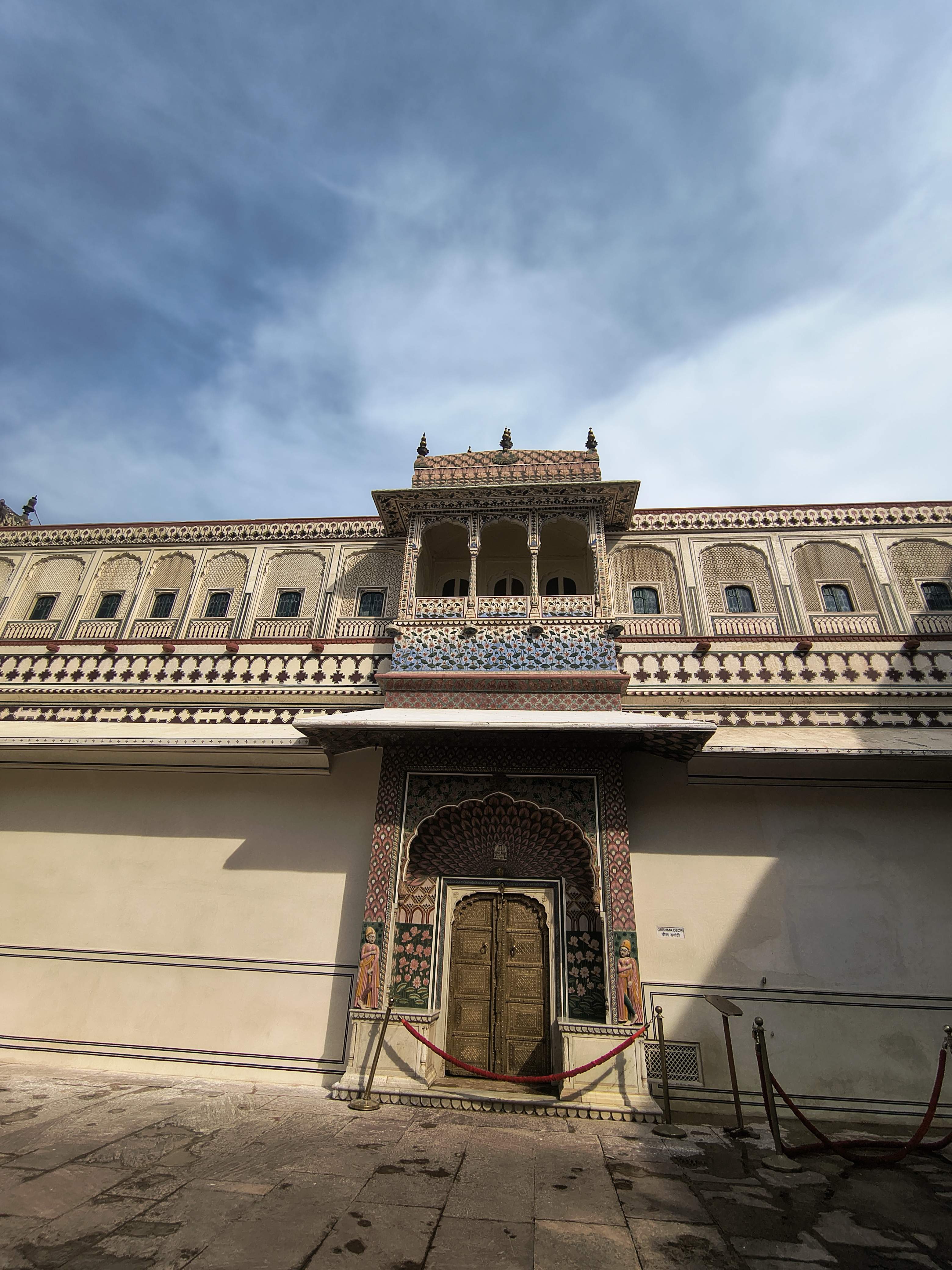
Leheriya · Dewaan e Khas, City Palace · Lotus Gate
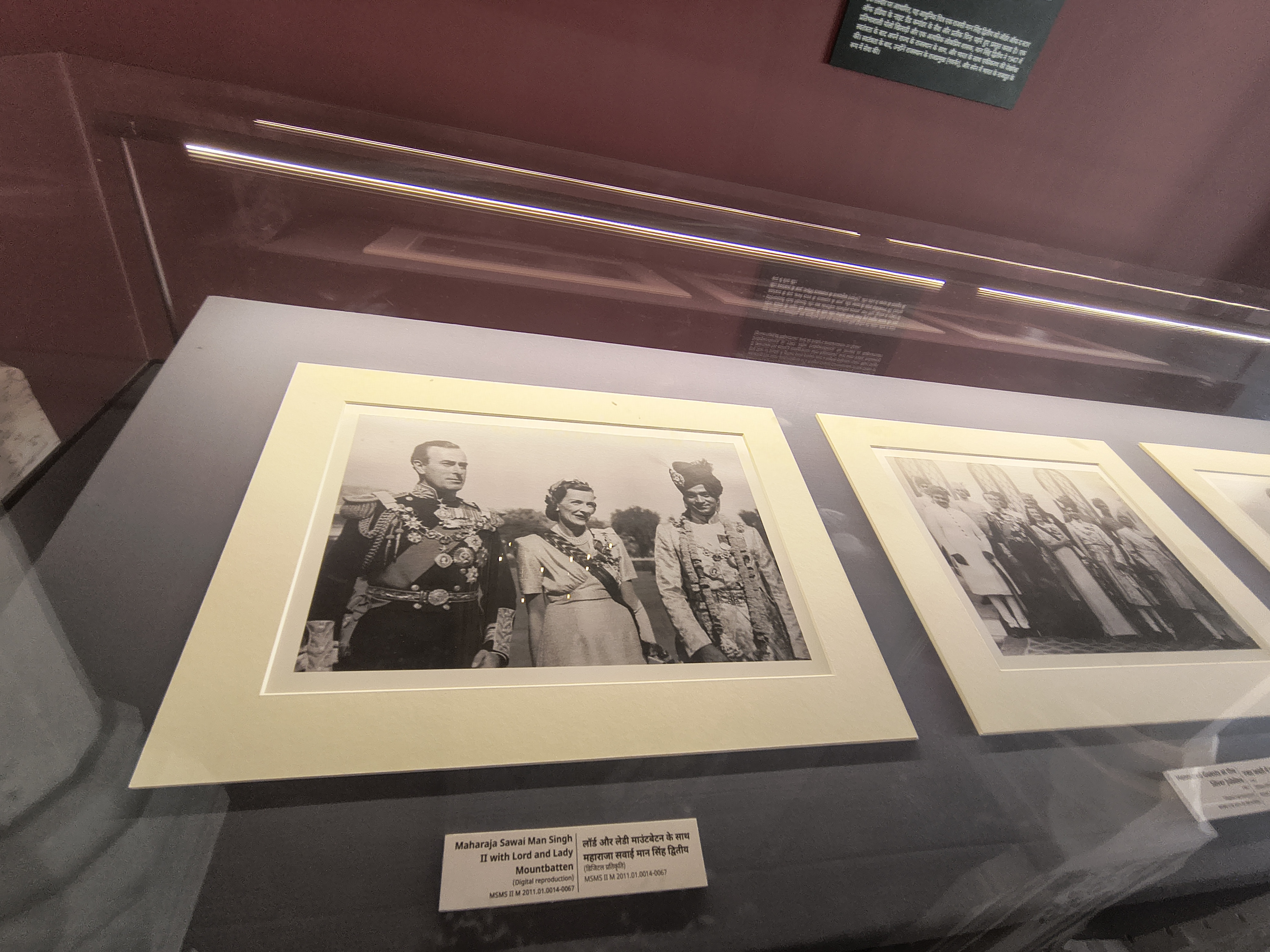
Museum inside the City Palace
From the City Palace, I took an auto to reach the Albert Hall Museum. During the ride, I got to see the iconic pink-colored spots of Jaipur, and I also had a good conversation and some bargaining with the auto driver.
The Albert Hall Museum is unique as it houses not only Indian archaeological artifacts but also exhibits from around the world — from China to Japan to Europe. For someone who loves history, it is a must-visit place. If you have time, you should also catch the evening lighting show there.
After a long day of walking, I took some rest at a bus stop, enjoyed the beautiful pink sunset, and headed towards Bapu Bazaar for some souvenir shopping before calling it a day. I had also heard that the Hawa Mahal looks even more beautiful at night, so while returning, I made sure to walk a bit to see it illuminated — and it was absolutely worth the extra effort.
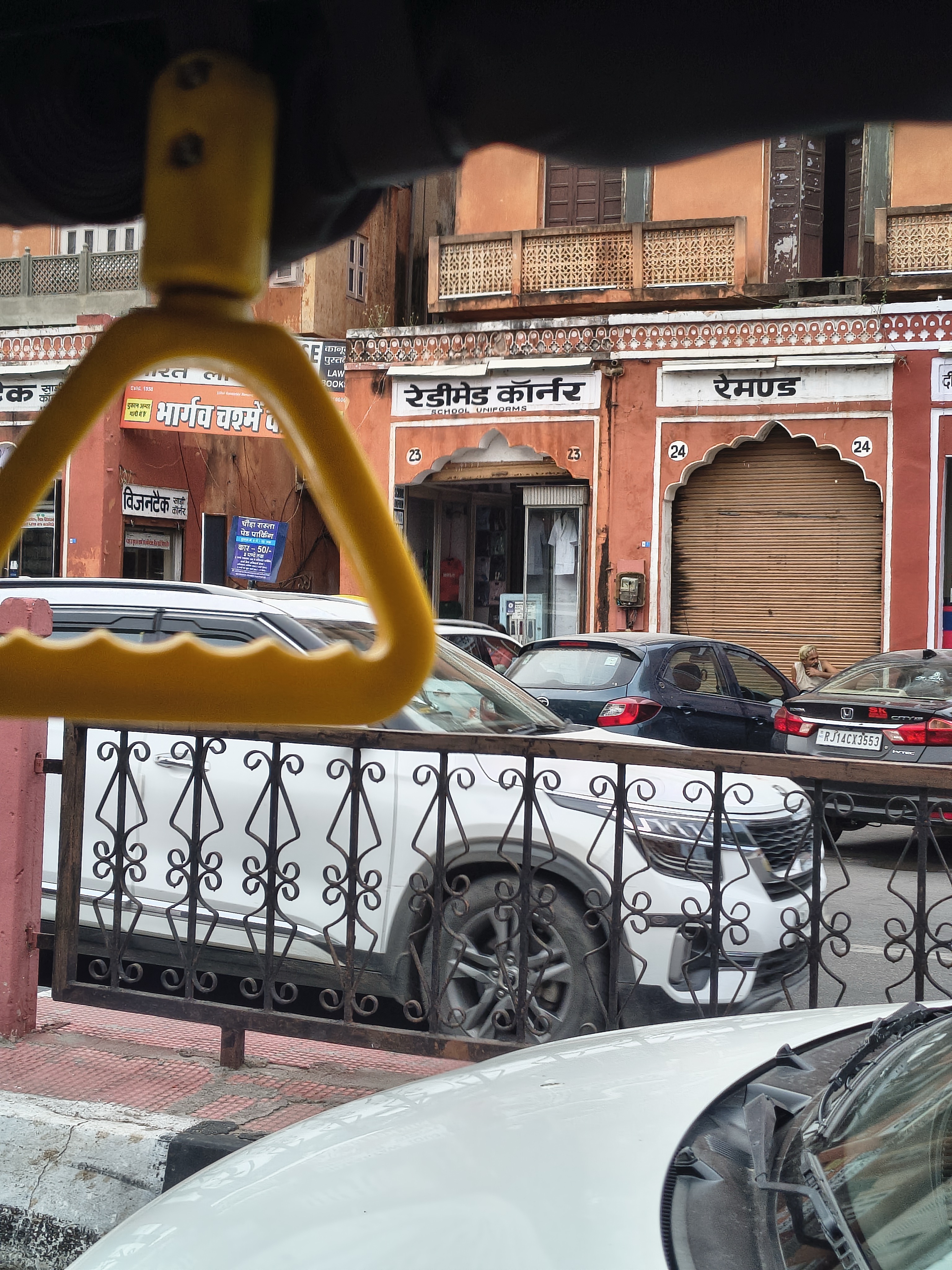
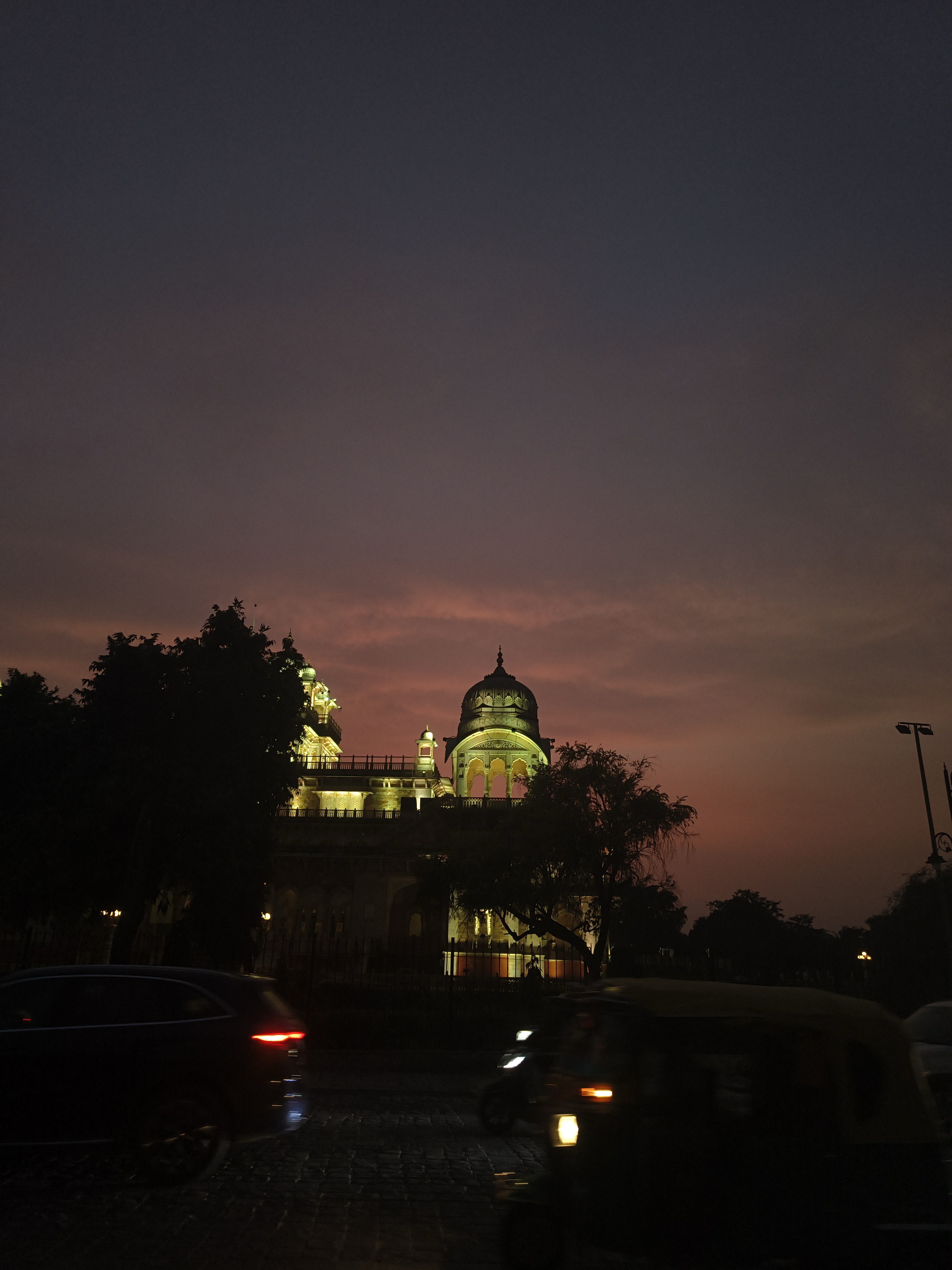
Even contemporary brands embrace the iconic pink aesthetic · Albert Hall Museum at evening
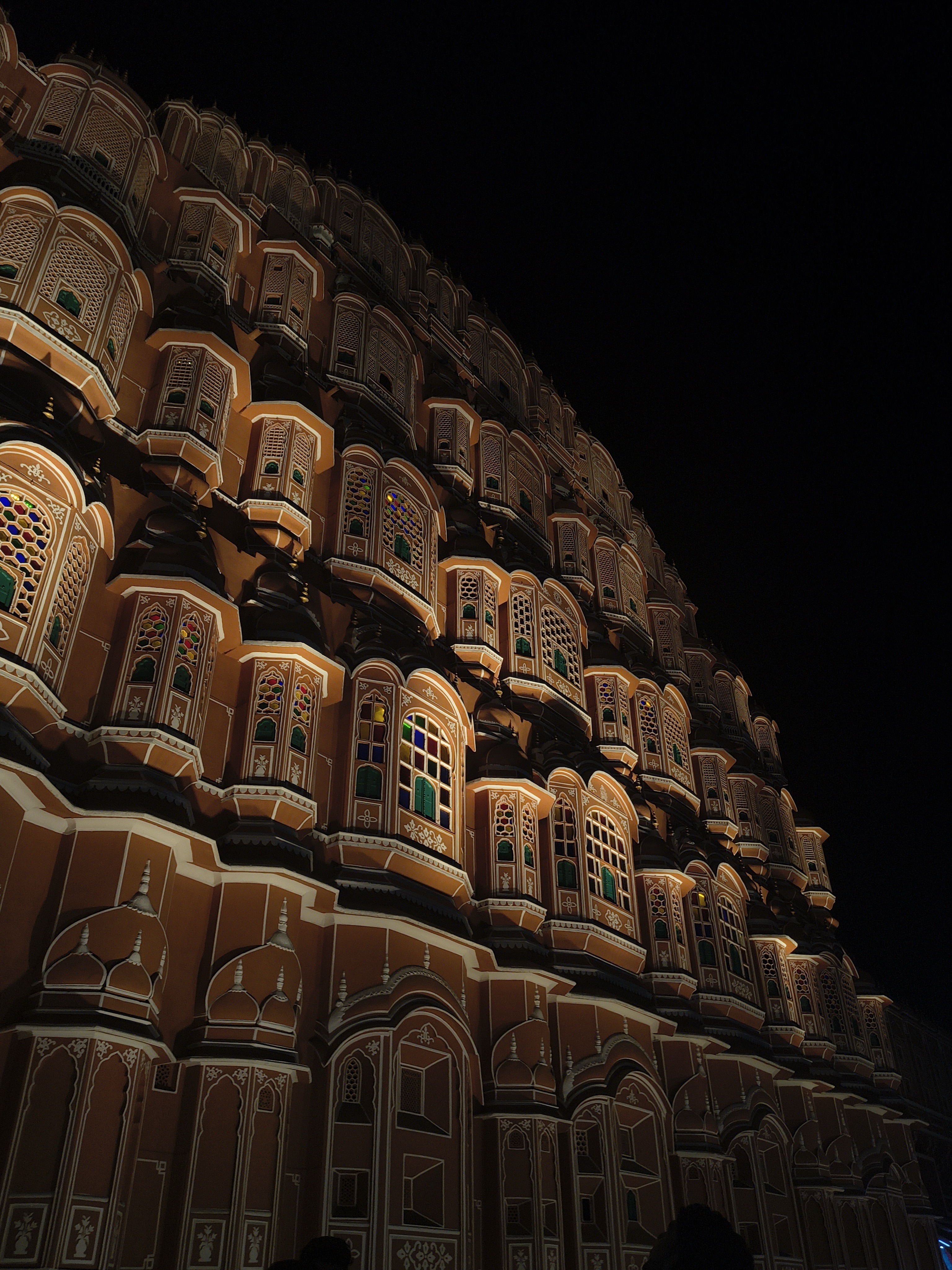
Hawa Mahal during nighttime
Day 4 — The Last Day
As it was my last day, I wanted to keep things simple with no hustle. I had planned to visit Patrika Gate and then head towards Chokhi Dhani, but I eventually dropped the plan of visiting Patrika Gate. I felt I had already experienced enough architectural beauty and was quite overwhelmed in the best possible way.
In the evening, I visited Chokhi Dhani to experience the essence of Rajasthani culture, food, and music. At first, I felt the absence of company more than the presence of experience. Still, I participated in several activities like pottery and even tried ice gola for the very first time, since my parents weren't there to stop me.
Later, during dinner, I realized that the family sitting beside me was from my hometown. I introduced myself, and within minutes, they made me feel at home again. I truly enjoyed the warm hospitality of Chokhi Dhani along with the amazing food and generous portions.
After returning, I had a good conversation with my roommates — strangers just days ago, now familiar voices. We talked about independence, and expectations in a world that still questions it.
The next morning, I had an early flight, so I bid farewell — until next time.
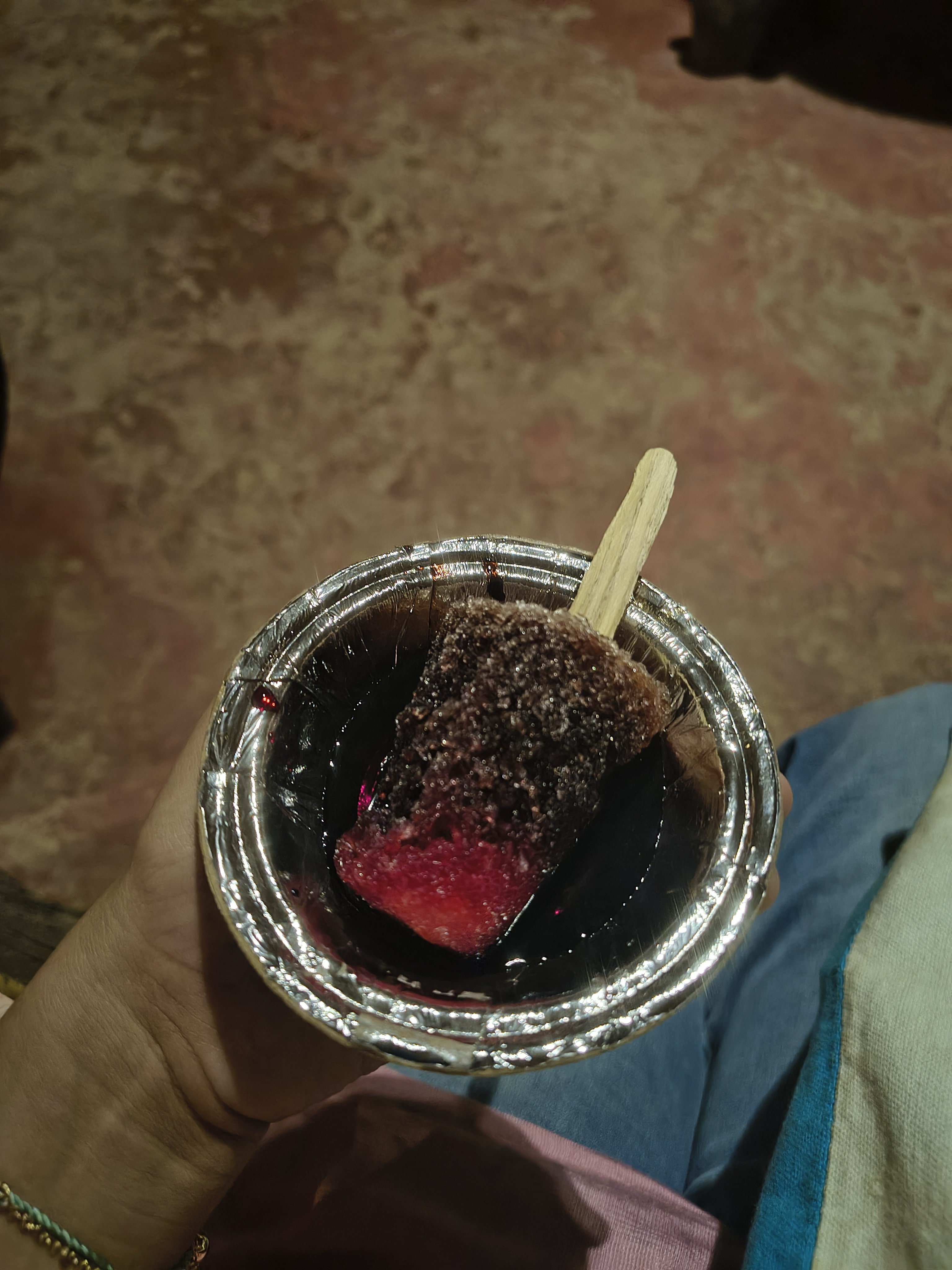
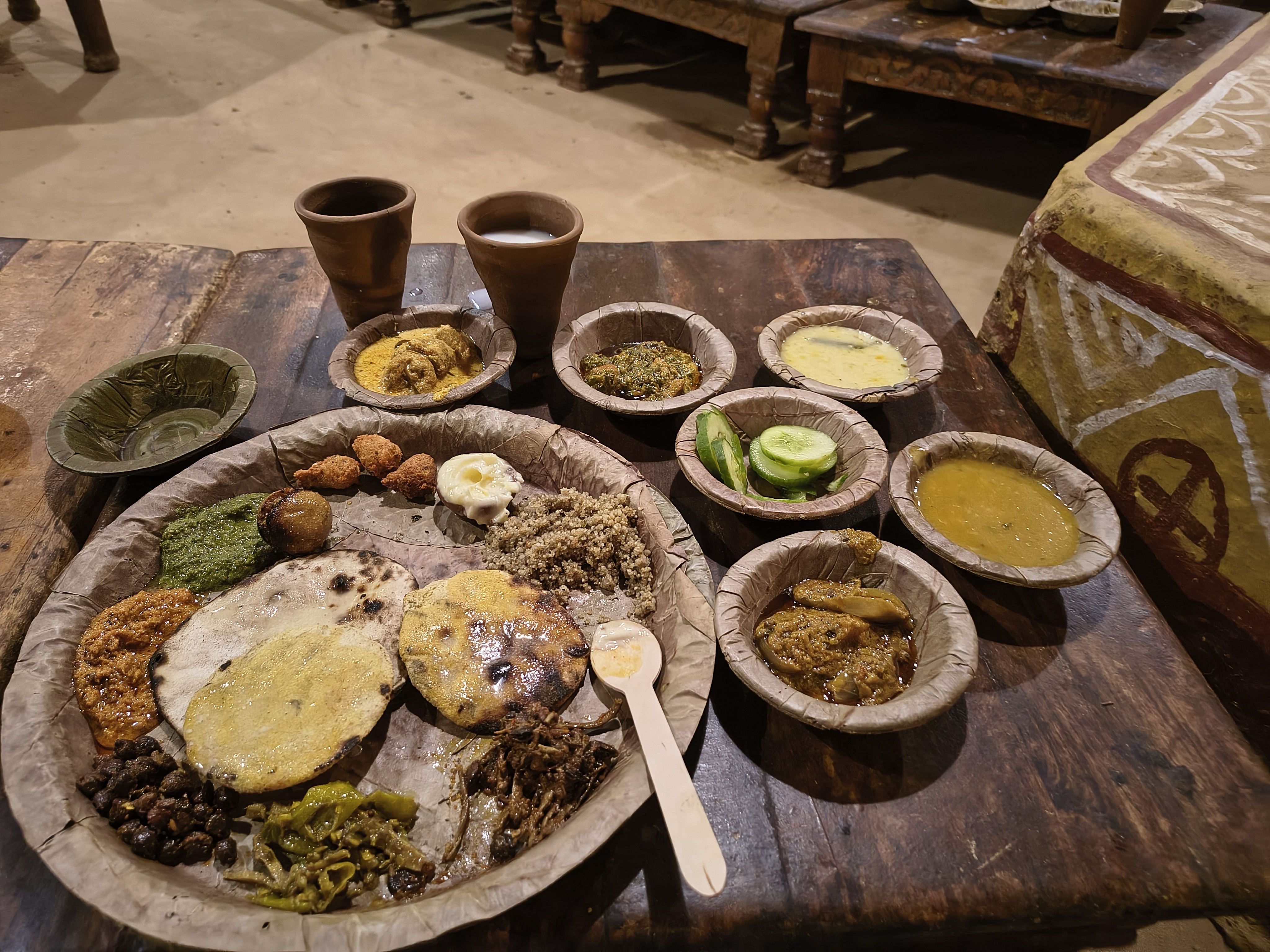
First ice gola - and it was worth every bite · Rajasthani Thali at Chokhi Dhani
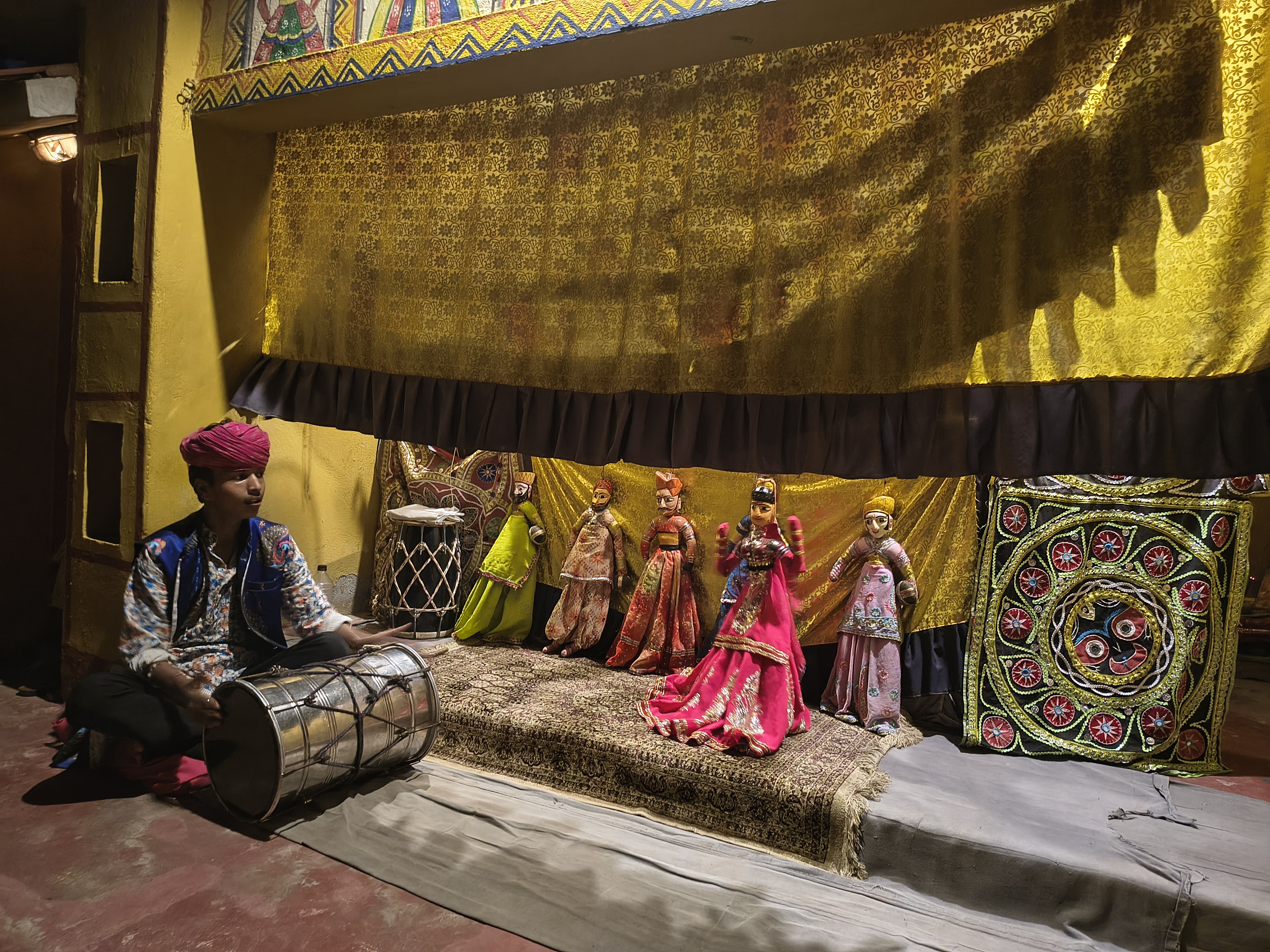
Puppet show at Chokhi Dhani
In Short — Your Jaipur Guide
While this blog captures my personal experiences throughout the trip, here's a quick snapshot of the itinerary, food, accommodation, and costs for easy reference.
✈️ How to Reach
- By Air: Jaipur International Airport is about 13 km from the main city.
- By Train: Jaipur Railway Station is roughly 2–6 km from key areas.
- By Road: Well-connected via NH48 (Delhi–Golden Triangle route) with multiple bus terminals.
🌤️ Best Time to Visit
September to March — pleasant weather, ideal for sightseeing.
⚠️ Things to Keep in Mind
- Carry sunscreen, moisturiser, scarf, sunglasses and umbrella.
- Keep a water bottle — many tourist spots offer free, clean drinking water.
- Be cautious of auto drivers who may redirect you to shops for commission.
- Renting a scooty/bike can save money on transport.
- Hiring a guide at Amer Fort can enhance your experience.
🍽️ Food Recommendations
- Pyaaz ki Kachori (deep fried pastry with spiced onion stuffing) & Dhokla (Gujrati savory steamed cake made from fermented batter of rice and split chickpeas) at Rawat Misthan Bhandar
- Laal Maas (fiery Rajasthani lamb curry) with Bajre ki Roti (Flatbread made from pearl millet flour) at Handi Restaurant
- Authentic Rajasthani Thali at Chokhi Dhani
- Ghevar — disc-shaped sweet with a honeycomb texture, a must-try local dessert
🏨 Stay
Budget-friendly option: The Hosteller, Jaipur
🚗 Getting Around
- Auto (don't forget to bargain)
- Uber / Ola
- Jaipur Metro (well connected)
💰 Travel Costs
🏠 Accommodation
Budget hostels: ₹500 – ₹1,500/night
Mid-range hotels: ₹2,000 – ₹4,000/night
Luxury heritage: ₹5,000+/night
🥘 Food
Street food & local: ₹300 – ₹600/day
Casual dining: ₹700 – ₹1,500/day
Fine dining: ₹2,000+/day
🛺 Transport
Autos & cabs: ₹300 – ₹800/day
Bike/scooter rental: ₹400 – ₹800/day
Metro: ₹20 - ₹100/day
🎟️ Sightseeing
Amber Fort: ₹100 – ₹500
City Palace: ₹200 – ₹700
Jantar Mantar: ₹50 – ₹200
Total: ~₹300 – ₹1,000
🎟️ My Itinerary
Nahargarh Fort (10 AM – 5:30 PM, ~1 hr) · Jal Mahal (view anytime, ~20 mins)
Amer Fort (7 AM – 8 PM, ~2 hrs) · Panna Meena ka Kund (7 AM – 6 PM, ~15 mins) · Jaigarh Fort (9:30 AM – 4:30 PM, ~1 hr) · Gaitor Ki Chhatriyan (9:30 AM – 5 PM, ~20 mins) · Garh Ganesh Temple (5:30 AM – 12 PM & 4 PM – 7:30 PM, ~50 mins)
Hawa Mahal (9 AM – 5 PM, ~40 mins) · City Palace (9:30 AM – 6:30 PM, ~1.5 hrs) · Albert Hall Museum (9 AM – 5 PM, ~1.5 hrs) · Bapu Bazaar (shopping time varies)
Chokhi Dhani (5 PM – 11 PM, ~2 hrs)
⚠️ Kindly check beforehand if places are open.
This is a suggested itinerary — feel free to customise it depending on what interests you most.
🗺️ Other Places to Explore
- Patrika Gate
- Jantar Mantar
- Galta Ji Temple
- Rambagh Palace
🎨 Experiences to Try
- Blue pottery art workshops
- Rooftop dining with palace views
- Elephant rides (ensure ethical treatment before choosing)
- Shopping at Bapu Bazaar & Johari Bazaar
🛍️ Souvenirs to Buy
- Traditional paintings
- Puppets
- Block-printed & Bandhani clothing
- Juttis (ethnic footwear)
🎫 Ticket Bookings
For forts and museums: Rajasthan Tourism Portal →
💬 Queries or Feedback?
We'd love to hear from you — connect with us.